Braising is one of the oldest & most rewarding ways of cooking.
It isn’t flashy, It doesn’t rely on gadgets or precision temperatures. It’s about understanding ingredients, time, and layering flavour. It’s about taking something tough, undervalued, or unfashionable and turning it into something deeply satisfying.
For me, braising sits right at the heart of what Bohémien is about & I use the technique extensively not only on our menus but what I cook at home.
What braising actually is
At its heart, at its most rudimentary, braising is a combination of two things;
dry heat, followed by gentle, moist heat.
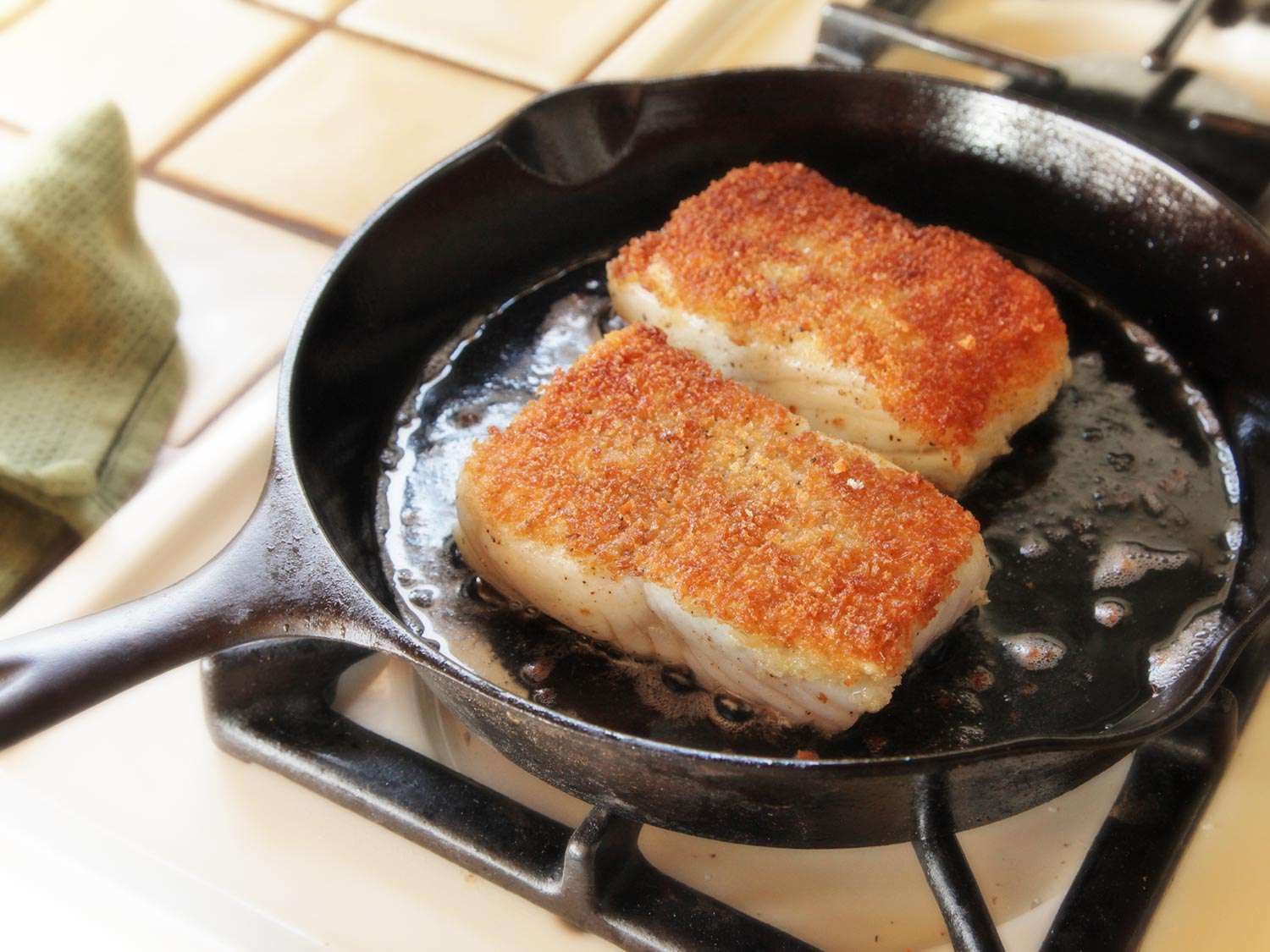
You start by browning, building flavour through colour, rendering fat, and caramelisation. Then you add liquid, cover the pot, and let time do the rest. The meat relaxes. Collagen melts. Vegetables give up their sweetness. Everything in the pot starts to take on a new & unique flavour, in the best possible way. It’s cooking that rewards patience rather than intervention. You could also include in this bracket stewing, the only difference being the amount liquid added & stewing often omits the use of an oven. However, I generally treat both these methods the same way & both are centred around maximising flavour in one pot & making a complete dish from one cook.
Layering flavour
Beyond this most basic premise, braising done properly is really about layering flavours. Slowly building up as you go through each process. Just take a look at Indian food, the layering of flavours is second nature in much of the cooking & this is what makes really great curries so delicious. The building blocks of spices, onions, aromats & liquids are essential & that concept of layering flavours is adopted in the properly executed braising technique developed by the French.
I’m very much of the mindset that you need to understand why you do something. Be it a step in a recipe or a technique for doing any task in the kitchen. If you don’t understand why you’re doing something, human nature will always look for a way around certain steps. There are certain steps taken in braising that will absolutely improve and change the end result for the better.
Peeling or not peeling vegetables.
Adding alcohol & reducing it properly.
Cooking out tomato paste or flour.
Browning meat and deglazing the fond from the pan.
How long you cook a piece of meat for and at what temperature.
Whether or not to add a lid, a cartouche or neither.
These steps are crucial to the taste of a dish & recipes, especially the classics in the French repertoire, should be cooked following the set lines and understood before deviating and adding your own touches.
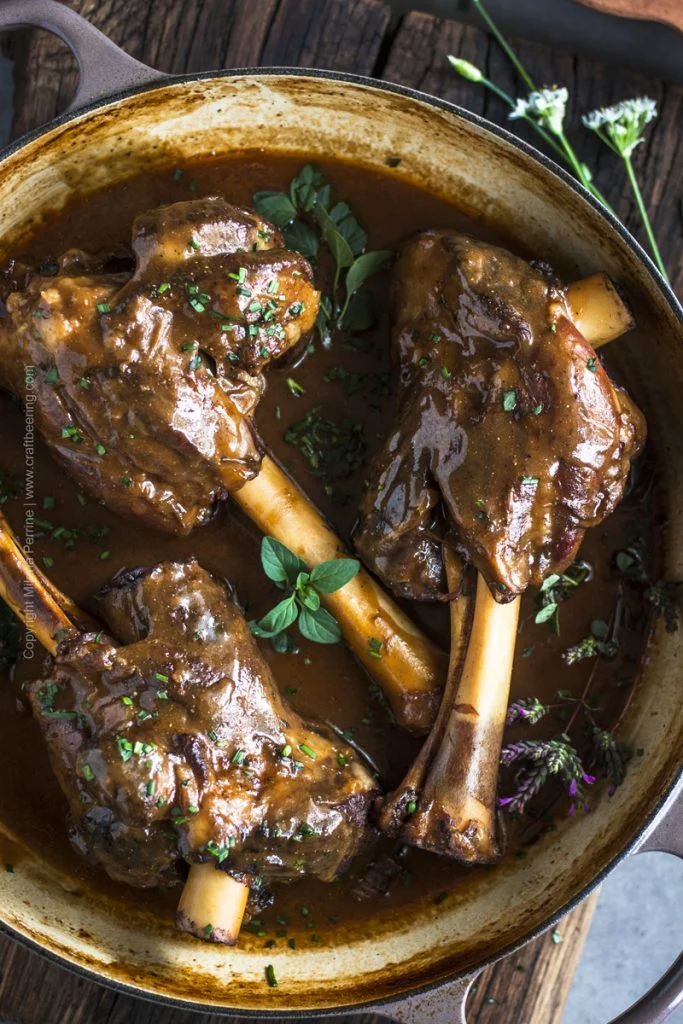
Layering flavour is the process of lots of little steps that ultimately make your food delicious. Take a Navarin of lamb for example, I recently posted a video on our socials sharing a video and recipe for cooking this classical dish. There are steps taken throughout the dish which layers flavours in order to make the finished article as best as it can possibly be.
Browning the lamb deeply & using whole cuts, on the bone instead of diced lamb for a softer, more flavourful cook & mouthfeel.
Draining some of the fat after initially browning to stop the finished dish being greasy.
Caramelising the vegetables to enhance their sweetness and add colour to the final sauce.
Salting the vegetables as they cook to help extract their natural water as they’re browning.
Adding tomato paste & properly cooking it out before adding the wine.
Deglazing the pan to remove the fond into the sauce then reducing the wine by half to concentrate the sweetness & remove the acidity.
Covering with a cartouche to stop the liquid over-reducing while cooking.
Cooking it intentionally lower and longer than standard recipes call for to get a much more moist final product.
Straining the initial vegetables out then adding peeled vegetables back to the pot as these are to be served in the final dish.
Allowing the braise to rest covered for at least a half hour to keep moist and allow the flavours to meld.
All that is in one simple recipe. That’s layering flavour, that’s understanding each step & appreciating that every step taken makes a difference to the final product.
Why the cheap cuts are nearly always the best
Most classic braised dishes were born out of necessity. French peasants would cook with whatever they could get their hands on & these were more often than not these were the cheap cuts the nobles didn’t want. Its funny that almost universally the food of the poor or disenfranchised, nearly always becomes the best tasting & often eventually the more expensive food. And that theory crosses nearly every cuisine globally. Pasta, Soul food & Sushi are all examples of this theory, dishes that were originally the food of the people with the least amount of agency.
In France they used cuts like cheeks, shins, shoulders, necks, feet. Cuts that are worked hard by the animal and therefore full of flavour but way too tough to simply grill or roast quickly. Braising was the solution, and in many cases, the result is far better than anything you could do with a fillet.
These cuts make sense. They’re cheaper, they’re forgiving & they taste of the animal, not just protein. Good braising isn’t about masking toughness. It’s about embracing it and cooking it accordingly.
Cheap cuts almost always have a lot of collagen. This magical component, when heated for a long time over low heat transforms into gelatine. Gelatine is what gives a properly braised liquor that lip smacking quality & that rich mouthfeel. It’s also the reason why I use pig trotters in many of my stocks as it’s very rich in collagen & therefore gelatine (are you still with me?)
This, coupled with price point, suitability, availability & sustainability (remember our talks on nose to tail eating?) makes cheaper cuts perfect for braising.
Time as an ingredient
You can’t rush braising, and that’s the point. It’s a technique built around trust. Trusting the process, trusting the ingredients, trusting that leaving something alone is sometimes the best thing you can do.
If you think of time as an ingredient, braising tends to make a lot more sense. Take a beef cheek for example, this is one of the toughest & most collagen rich cuts of meat you can use. But after long hours of cooking, even if you just placed it in water and simmered it for 8 hours, the meat would begin to break down, become very tender & the collagen would convert to gelatin. That is purely time, low heat & patience.
Now add that concept into a recipe for braised beef cheek bourgignon. Where it’s browned, layered with other flavours & cooked with care.
Again, it’s all about layering flavours.
Marinade the meat in red wine.
Brown the meat.
Deglaze with the wine.
Add vegetables & aromats.
Season well.
Bring to a boil.
Turn down to a simmer.
Cartouche, lid, 120c, 6-8 hours.
The result is all that flavour & collagen has transferred from the meat into the rest of the dish.
Time has done its job and coupled with the layering of flavour, that tough & formally inedible cut of beef has become the star.
Another advantage of time & patience is “resting” the braise. I always recommend & actually practise this myself, allowing the braise to sit at room temperature for at least half an hour. Allow it too (as Nigel slater would put it) “gather its thoughts”. Braising any cut of meat and then removing it from its liquid immediately is a crucial error. You see all that steam coming off the meat? Yeah, that’s your dish becoming dry. Give the dish time to cool enough that it isn’t steaming like crazy before serving. You can always bring it back up to a boil right as you’re about to serve.
This is also why braised dishes are often better the next day. The flavours settle, the sauce tightens, the gelatin sets & the whole thing becomes more delicous.
Terroir
Historically, braised dishes are created around the terroir in which they’re created.
Bourguignon & Coq au vin in Burgundy, because this is wine country and wine was abundant and therefore a natural & practical option.
Blanquette de veau in Paris, created to use leftover roasted veal and make the meat go further.
Pot-au-feu made virtually across all of France, originally a perpetual stew that would be added too as new ingredients became available.
This is food born from necessity & nearly always, wherever you go in the world, food born this way is going to taste incredible.
Why I love braising
In a world obsessed with immediacy, braising feels quietly rebellious. It’s not always “pretty” or “photogenic. At this point in my career & with my outlook on life & cooking, I would happily take something that doesn’t conform to “instagramability” but tastes absolutely delicious, any day of the week.
The idea of slow food isn’t a new one look at any cuisine in the world and you will find this concept. There’s also a nostalgic quality to it that comforts & is reassuring. Not everyone can afford a big juicy ribeye but most people can afford a cheaper cut to braise. It’s universal & transcends class & stature. I grew up on a council estate with vertically nothing and still I get nostalgic for these flavours & textures because we’ve all had that experience of something cooked slowly & with a bit of love. Braising, done properly just perfects that.
Why it still matters
Braising teaches you how to cook properly.
It forces you to think about:
• Heat control
• Balance
• Texture
• Seasoning
• Patience
There’s no hiding behind sous vide bags or foams or micro herbs. If it’s bland, greasy, or overcooked, that’s on you. And when it’s good & I mean really good, it’s some of the most comforting, generous food you can serve.
Tips from my kitchen
It’s not often I give tips on cooking beyond the base recipe so I thought I’d add a few here to help you on your way to braising Valhalla.
Buy good ingredients. Yes, they may be cheap cuts but still buy the best you can afford. Butchers want to sell these cuts but due to their waning popularity, they naturally aren’t expensive. Meat or in fact any produce you buy, regardless of how long you intend to cook it or in whatever method, relies firstly on the quality of your raw ingredients.
If you’re cooking with alcohol, reduce it properly. I’ve seen some horror shows in my time in kitchens, chefs adding raw wine to stocks then reducing them together, wine being reduced a little then mounted with butter to produce a tepid cloudy sauce. Just remember, wine or indeed any alcohol generally will always need to be reduced until almost dry before adding any other liquid. If you skip this step you get all the acidity & muskiness of raw alcohol in your dinner. It may seem wasteful to boil it all away but that concentrated alcohol will give you so much flavour and none of the bad stuff that comes from raw alcohol.
Cook in the oven at a lower temperature than most recipes will tell you. If a recipe says cook it for 4 hours at 140c, bring the liquid to a rapid boil right as it goes into the oven & cook it for 6 at 120c. Once covered you’d be surprised how much heat a decent cocotte or Dutch oven can hold onto. The meat is going to be cooked until soft either way & this extra time really gives much better end results and allows the collagen to fully break down.
Believe in the cartouche! I nearly always use this for my braising, it slows liquid evaporating & protects food from burning. Just tear parchment paper to the circumference of your pot, scrunch it up & pour a little cold water over it. Squeeze out the excess water then lay it over your braise before adding a lid & cooking. I promise you the end result will be much better. You will almost never end up with a dry braise this way. The evaporating steam hits the cartouche before the hot lid & falls back onto the braise.
After all that work layering flavour, that time & money invested into cooking. DONT take it out of the oven and start eating it straight away. Give it at least half an hour, on the side, left to rest. People have come to understand this with steak but doing this here is equally as important.
A very Bohémien way of cooking
Most of the dishes I love and many of the ones I cook at our supper clubs rely on braising in one form or another. They’re dishes made with the sole goal of being delicious & served without fuss. Food that values flavour over finesse and substance over show.
Braising isn’t just about nostalgia or tradition for tradition’s sake. it’s the sum of all its parts, It’s about cooking that works, cooking that respects ingredients and cooking that doesn’t need dressing up to feel special.
And in my opinion, that’s something worth holding onto & celebrating.
Tom
Chef & Owner, Bohémien