February doesn’t offer abundance or spectacle. There’s no glut, no colour explosion, no sense of excess. What it does offer is reliability, ingredients that have lasted, been stored, improved, or are quietly waiting their turn.
If January is about clarity, February is about endurance.
This is the point in the year where good cooking matters most. When you can’t lean on novelty or garnish, you have to cook things properly. Restraint matters & seasonality becomes unavoidable again.
We’ve got 3 events in February, and all of the menus are built around ingredients that feel exactly right for now. Ingredients that hold up in the cold, that respond well to butter, heat, patience, and common sense.
These are three of them.
Apples

Apples are often thought of as an autumn ingredient, but I find it’s around this time of year that they really earn their place.
British apples are one of the few fruits that store exceptionally well. Cold storage allows varieties like Bramley, Cox, and Russet to develop deeper flavour over time.
Sugars concentrate, acidity softens & texture changes. A good apple in February is more rounder than it was fresh off the tree.
They’re also endlessly useful. Sweet or savoury, raw, cooked, puréed, caramelised, baked, or roasted. Apples work well with fat, acidity, and heat in a way few ingredients do.
French cooking has always understood this. Apples with pork, cream, butter or cooked until they collapse into something richer than the sum of their parts.
At our February 4th dinner at Moura, we used apples alongside a beautiful confit of pork, in possibly my favourite form.
A deeply caramelised apple purée, taken right to the edge, cooked patiently, until the sugars darken and bitterness just begins to whisper. No spices or tricks, just apples, heat, time, and restraint.
It’s not about changing the apples natural flavour, It’s about adding depth.
Leeks

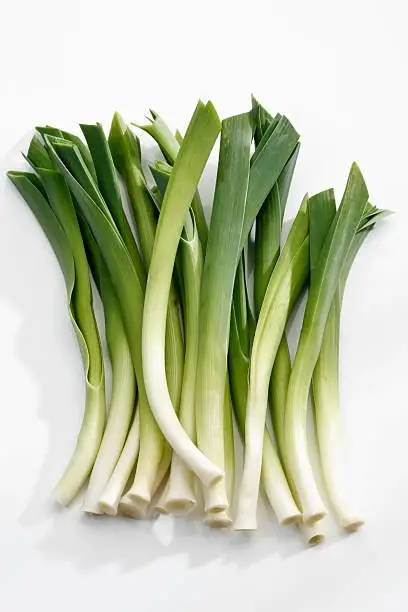
Leeks are one of the quiet heroes of winter. They’re at their best right now, firm, sweet, and far more interesting than they’re often given credit for.
British leeks have a long history, both culturally and culinarily, but they also sit comfortably in classic French kitchens. Braised, confit, folded into sauces, soups, gratins. They’re an ingredient that’s incredibly versatile.
Cooked properly, leeks become silky and almost creamy, with a gentle sweetness that specifically pairs beautifully with fish and shellfish.
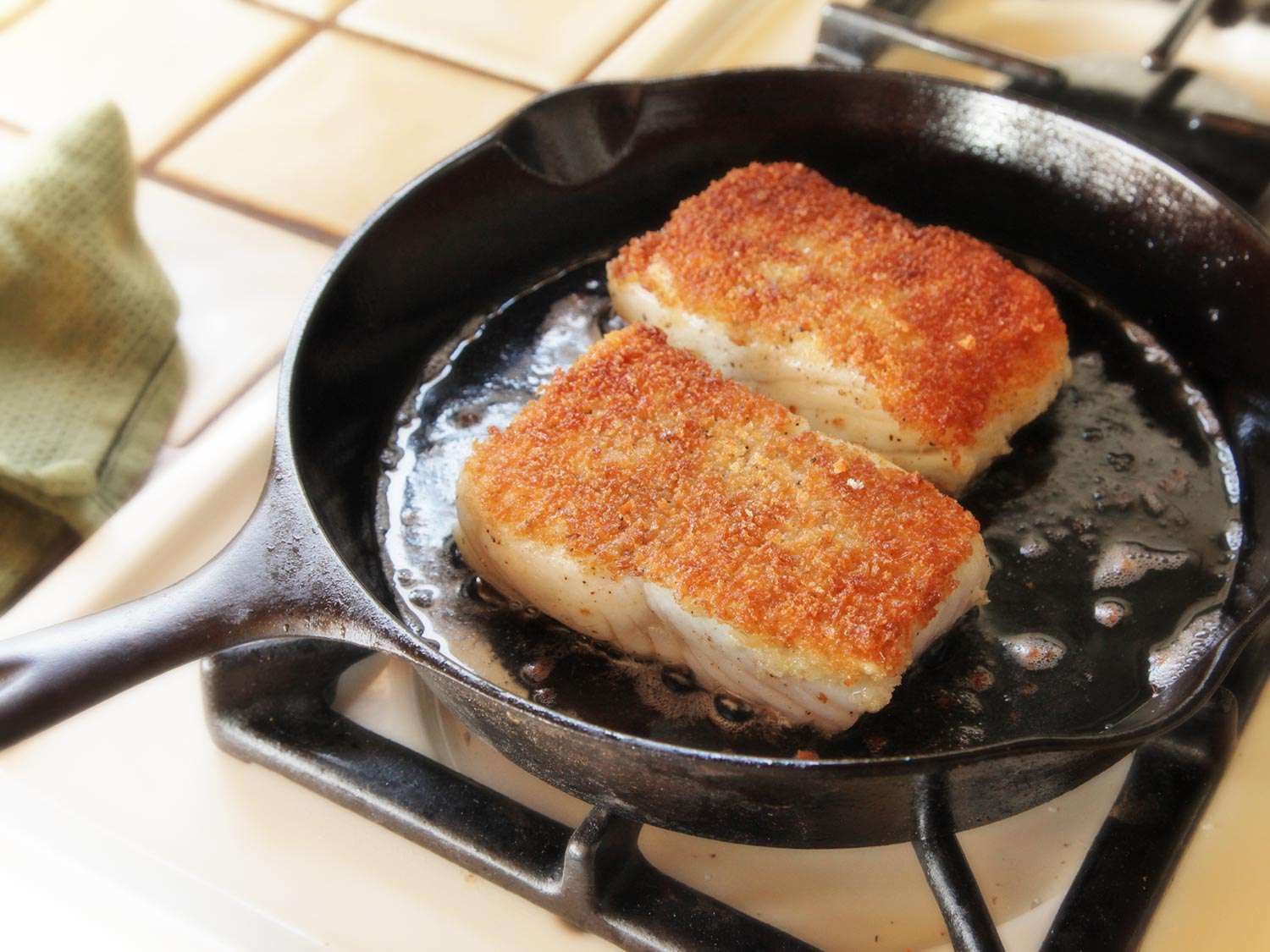
For our Valentine’s dinner at Flynn’s Deli, we’re serving confit leeks alongside a peice of roasted cod loin and a smoked mussel beurre blanc. The leeks are cooked slowly in fat until completely tender, absorbing flavour rather than fighting it. They anchor the dish and allow every other element to shine.
This is exactly what leeks do best.
They don’t steal the show.
They hold everything together.
Cauliflower

Cauliflower is one of those ingredients that divides opinion, usually because it’s so often treated badly. Whether it’s boiled into submission, over-spiced or buried under things it doesn’t need.
But handled properly, cauliflower is brilliant. It’s nutty, sweet, and deeply satisfying, especially in winter when it feels grounding and substantial.
Roasting is where it shines. High heat, proper colour, Letting the sugars caramelise and the edges crisp. This is where cauliflower starts becoming delicious. I honestly believe that if people took the time to understand this vegetable they would really come to enjoy it beyond the ubiquitous (albeit delicious) cauliflower cheese.
French kitchens have long paired vegetables like this with brown butter, capers, and citrus. Not just to decorate them but to amplify what’s already there.
For one of our vegetarian Valentine’s courses at Flynn’s, we’re serving roasted cauliflower, taken until golden and just tender, doused in classic brown butter with capers and preserved lemon. Rich, sharp, savoury, and completely unapologetic.
Why This Matters
February showcases ingredients that last, reward patience & make sense right now.
Apples, leeks, and cauliflower all share something important. They don’t need explanation or embellishment. They just need to be cooked properly, with intent and confidence.
That’s the thinking behind Bohémien.
Seasonal ingredients.
Used when they’re at their best.
Handled simply.
Given room to speak.
February isn’t flashy.
It’s solid.
And if you cook it properly, it’s quietly brilliant.
Tom
Chef & Owner, Bohémien