Offal isn’t fashionable.
It’s one of those things people either grew up with or have spent most of their life avoiding. Usually the latter. Mention liver or kidneys and you’ll get a mixed reaction at best, mild panic at worst.
Which is fair enough if your only experience of it is overcooked liver or something grey and slightly sad, you’ve not exactly been set up for success.
But when it’s done properly, offal can be some of the most delicious food you can eat.
In French cooking, offal has always been an important part of the kitchen.
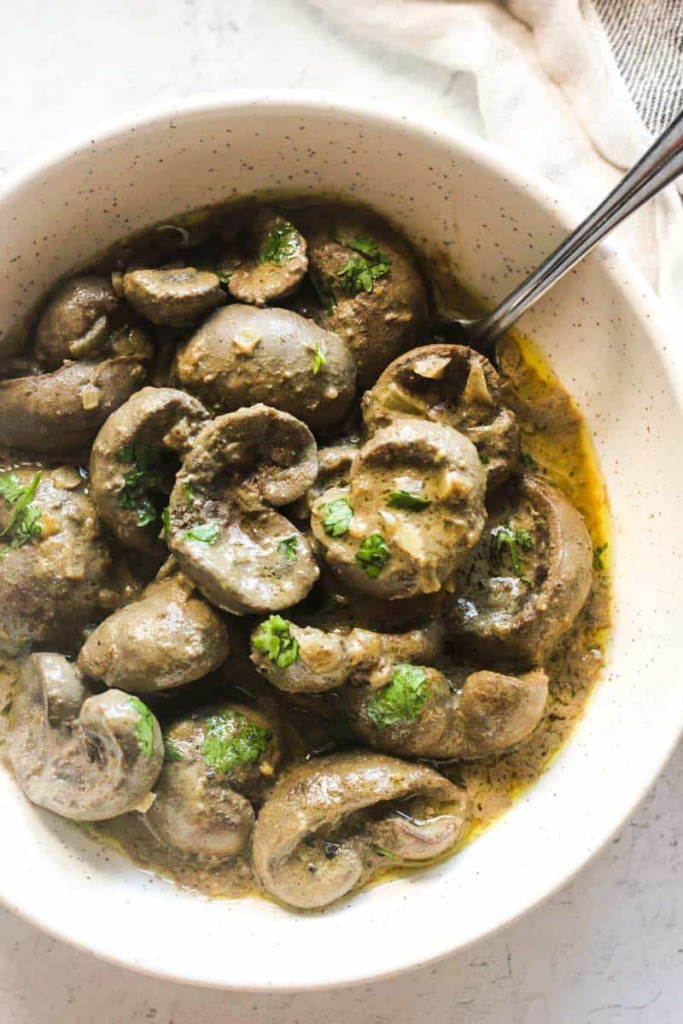
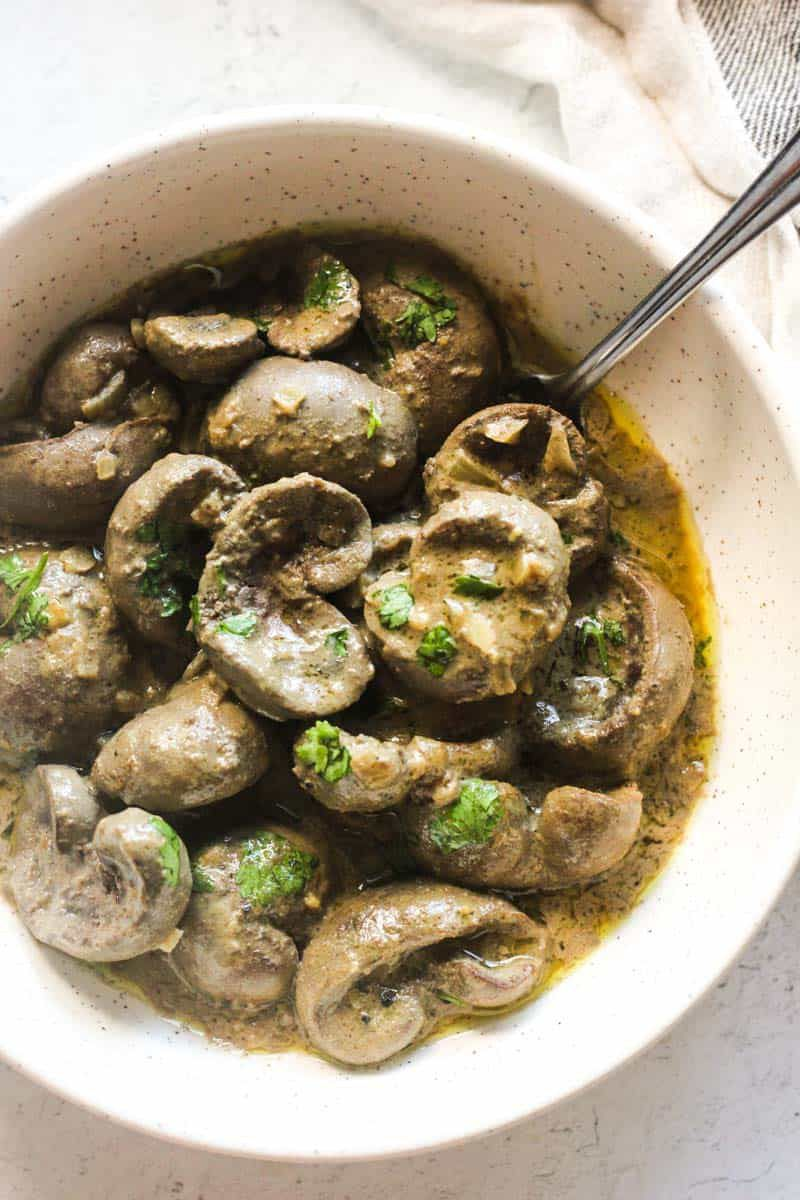
Not as a gimmick but as ingredients that are to be treated with respect and understanding. Kidneys with mustard, quickly cooked so they stay tender then finished with cream and a sharp hit of Dijon.
Sweetbreads, soaked, pressed then roasted and served with morels and vin jaune. Duck hearts, skewered and grilled over fire or folded through something rich and slow cooked. Even something like tête de veau (calves head, not exactly subtle) with sauce gribiche and something sharp to balance it out.
These aren’t challenging dishes, they’ve been around for generations because they taste really good. No big philosophy behind it just simple ingredients cooked properly.
And it’s not just France.
Everywhere has its own version of this.
In Italy, you’ve got lampredotto. Slow cooked tripe, sliced and stuffed into bread with salsa verde.
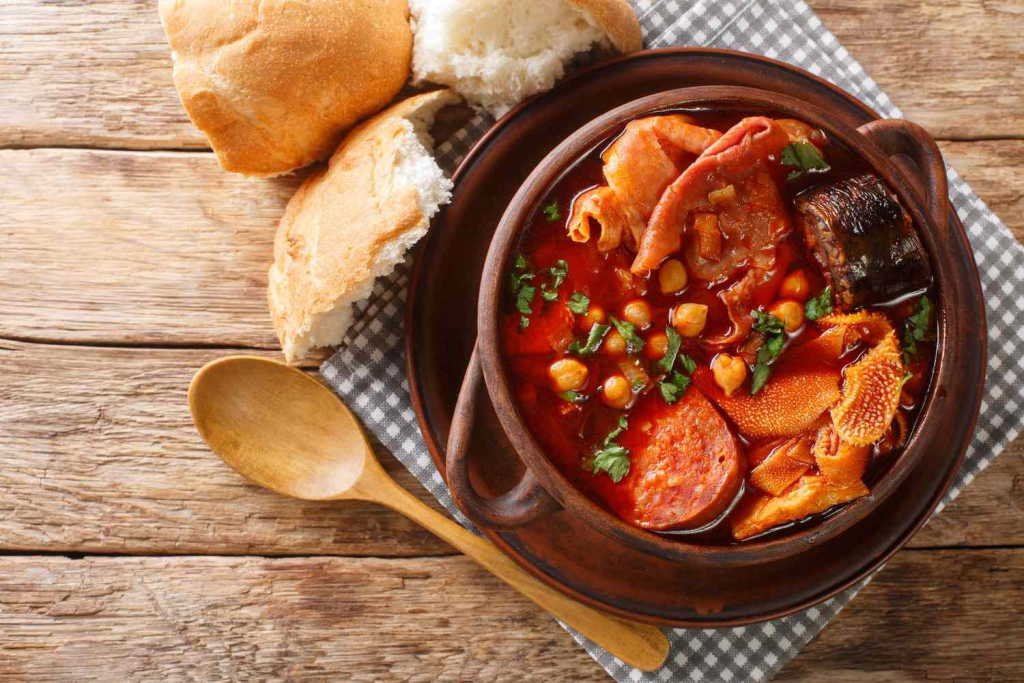
In Spain, callos. Tripe stewed with chorizo and paprika until it’s rich and almost silky. Across parts of Asia, skewers of chicken hearts, grilled hot and fast, eaten without much thought. Even here, whether people like to admit it or not, things like black pudding are part of that very same story.
Different places, different techniques but the same idea. Use the whole animal, because that’s what makes sense. And more often than not, that’s where the flavour is.
There’s also a practical reason offal has always been part of how people ate.
When an animal is butchered, these are the first parts that need to be used. They don’t keep in the same way as muscle cuts, they spoil quickly and if they’re not cooked or preserved, they’re lost.
In smaller communities, where animals were often butchered more communally, this wasn’t something you could ignore. Nothing was wasted.
The offal would be eaten first, shared out, cooked simply and eaten fresh. What lasted longer could be hung, salted, or stored but these parts needed immediate attention.
So a lot of the dishes we now think of as traditional weren’t created out of luxury or creativity, but out of necessity. Dishes created from practicality & situation are nearly always the ones that last and often the most iconic dishes of a particular region.
People cooked these parts because they had to. The fact that so many of those dishes are genuinely delicious is almost secondary.
There’s also a reason it feels unfamiliar now, particularly here in the UK.
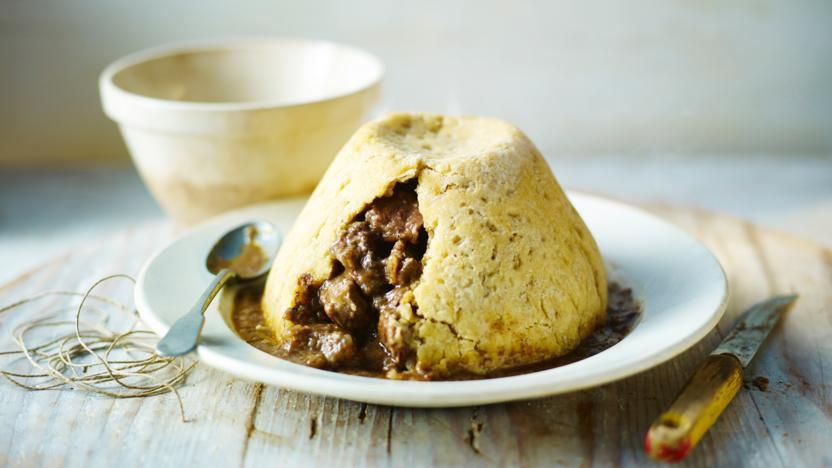
A generation or two ago offal wasn’t unusual at all. It was just part of how people ate. Liver and onions, steak and kidney, tripe, these weren’t niche dishes, they were normal everyday food.
Our grandparents ate this way out of habit as much as anything else. Then things shifted.
Rationing during and after the war changed how people cooked and what they valued. When food became more available again, there was a natural move towards what had previously felt like luxury. Cleaner cuts, simpler presentation, less fuss. Then convenience food arrived and really finished the job.
Cooking became quicker & much more streamlined. A lot of those older dishes, the ones that required a bit more care or understanding, started to disappear. Not because they weren’t good but because they didn’t fit that new way of eating.
And once something falls out of routine, it doesn’t take long for it to start feeling strange.
There’s also a more straightforward point.
It’s something I’ve said before and I’ll probably keep saying, if an animal is going to be killed for us to eat dinner, then it should be used properly & in its entirety. Not just the popular cuts, not just the parts that feel comfortable but the whole thing.
That, to me, is where the idea of respect actually sits. Not in words or trends but in how you cook and what you choose to use. And the thing is, it’s not some sacrifice. There’s genuinely good food in these parts. In many cases, better food. More depth, more character & more interest than the cuts people tend to default to.
It’s not about forcing something difficult onto the plate. It’s about recognising what’s already available and cooking it well.
People talk a lot about sustainability and rightly so. For me, this is a very simple version of it.
If more of us were willing to eat beyond the obvious cuts, to use more of the animal rather than a small selection of it, that would be a step in the right direction. Not the whole answer, but a meaningful step towards it.
There’s a practical side as well. Offal has always been cheaper and at the moment that matters more than ever. People generally don’t have the same money they used to and cooking good food shouldn’t feel out of reach.
Using these cuts just makes sense.
You can build dishes with real depth, proper flavour and a bit of character, without relying on expensive ingredients.
And when it’s done well, it doesn’t feel like you’re cutting corners. If anything, it feels like you’re getting away with something.
Health often gets brought into the conversation too.
There’s a certain corner of the internet that talks about offal like it’s the answer to everything (It’s not).
While offal is indeed something you might find a gym influencer eating raw while shouting at you through your mobile phone screen, there is at least a nugget of truth behind this.
It is nutrient dense.
It is varied.
And it is real food.
Which is more than can be said for a lot of what people eat day to day.
Like most things, the truth sits somewhere in the middle.
The bigger issue is that people just don’t eat it anymore.
Not because it isn’t good but because it’s unfamiliar. And unfamiliar food is easy to avoid.
Which is a shame, because when it’s cooked properly, there’s nothing particularly difficult about it.
A good kidney dish isn’t any more challenging than a strong cheese.
Sweetbreads, when handled properly, are about as delicate & delicious as anything you’ll eat.
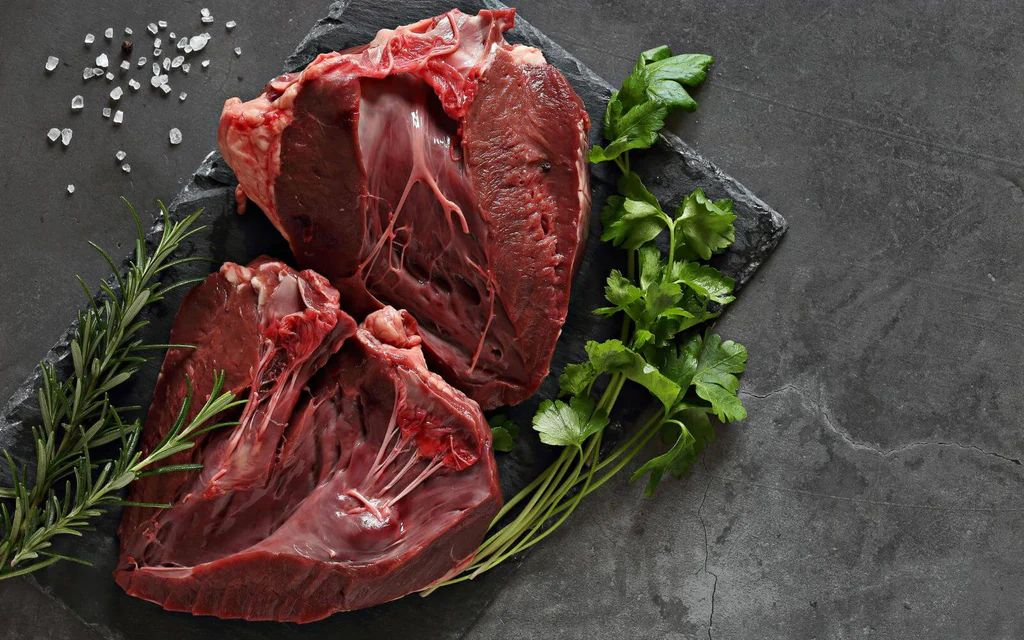
Even heart, cooked well, eats more like a steak than people expect.
It’s not strange. It’s just been left behind a bit. It’s something I’d genuinely like to cook more of.
Not to prove a point and not to make things difficult for people, just because it would make for better, more interesting food. The only hesitation, if I’m honest, is whether people actually want it. Which is a bit of a shame in itself.
I’ve thought a few times about putting together a full menu around it. Something focused, done properly, without gimmicks, just good cooking. It wouldn’t be for everyone and that’s fine. But for the right people, it would be a very good dinner.
We might even do exactly that at some point.
Tom
Chef & owner, Bohémien