
Cooking in Wales, using Welsh produce, should make sense. But not for the reasons people often assume.
Now I’m going to say something that may sound controversial, although when looked at logically, it really shouldn’t.
Just because something is local doesn’t automatically make it good quality.
Now If I can get a product locally that is as good as or better than a product from further afield, then I always will. But the uncomfortable truth is, for every great local supplier or producer, there are several rubbish ones. Proximity alone doesn’t guarantee flavour, care, or consistency & this is the case anywhere you go in the world. For every vendor who reaches out promising beautiful locally reared pedigree rare breed pork, there’s 3 chancers looking to flog whatever they can get their hands on.
We all want to support local, I ask you to support local when you join us at our events, but it shouldn’t come at the expensive of quality. You shouldn’t spend your hard earned money locally “just because”. It should be because you’re getting the best possible product for your money.
Local doesn’t automatically mean better.
Welsh doesn’t automatically mean great.
British doesn’t automatically mean higher quality.
What does matter above all is how something is grown, made, raised, or produced. The products I use aren’t here because they tick a box or make a nice story. They’re here because they genuinely stand up against anything I could buy from further afield.
French food has always been at the core of my cooking, but British and specifically Welsh produce is what allows that style of cooking to actually make sense here. When it’s good, it’s not a compromise; It’s an advantage.
These are the Welsh products I reach for again and again, not out of obligation, but because they’re exceptional.
Blodyn Aur Extra Virgin Rapeseed Oil
If there’s one product I talk about more than most, it’s this. And for good reason.
Blodyn Aur extra virgin rapeseed oil is, in my opinion, one of the best cooking & finishing oils available to us in Britain. It’s clean, fresh, gently nutty, and far better suited to our produce than many imported olive oils.
I use it as a base for vinaigrettes, gentle cooking, sauces, and finishing dishes. It enhances rather than dominates. This is an oil that really earns its place in the kitchen.
Blodyn Aur is produced in North Wales, using rapeseed grown and pressed on family farms where the focus is on freshness rather than yield. The oil is cold-pressed and bottled quickly, which is why it retains its vibrant colour and clean flavour. Unlike many commodity oils that sit in storage for months, this is an oil designed to be used young.
That immediacy shows in the cooking. It emulsifies beautifully into vinaigrettes, it gives a lovely perfume to vegetables when gently sautéed & it’s the perfect oil for finishing dishes. It’s a product that respects ingredients rather than competing with them, which is exactly what I look for in a kitchen staple.
While I love olive oil and have used it extensively over the years, I much prefer the flavour of this oil & use it in place of olive oil throughout all of my cooking. The gentle nuttiness and character is really delicious & it never has that bitterness that can sometimes get with olive oil.
Halen Môn Sea Salt
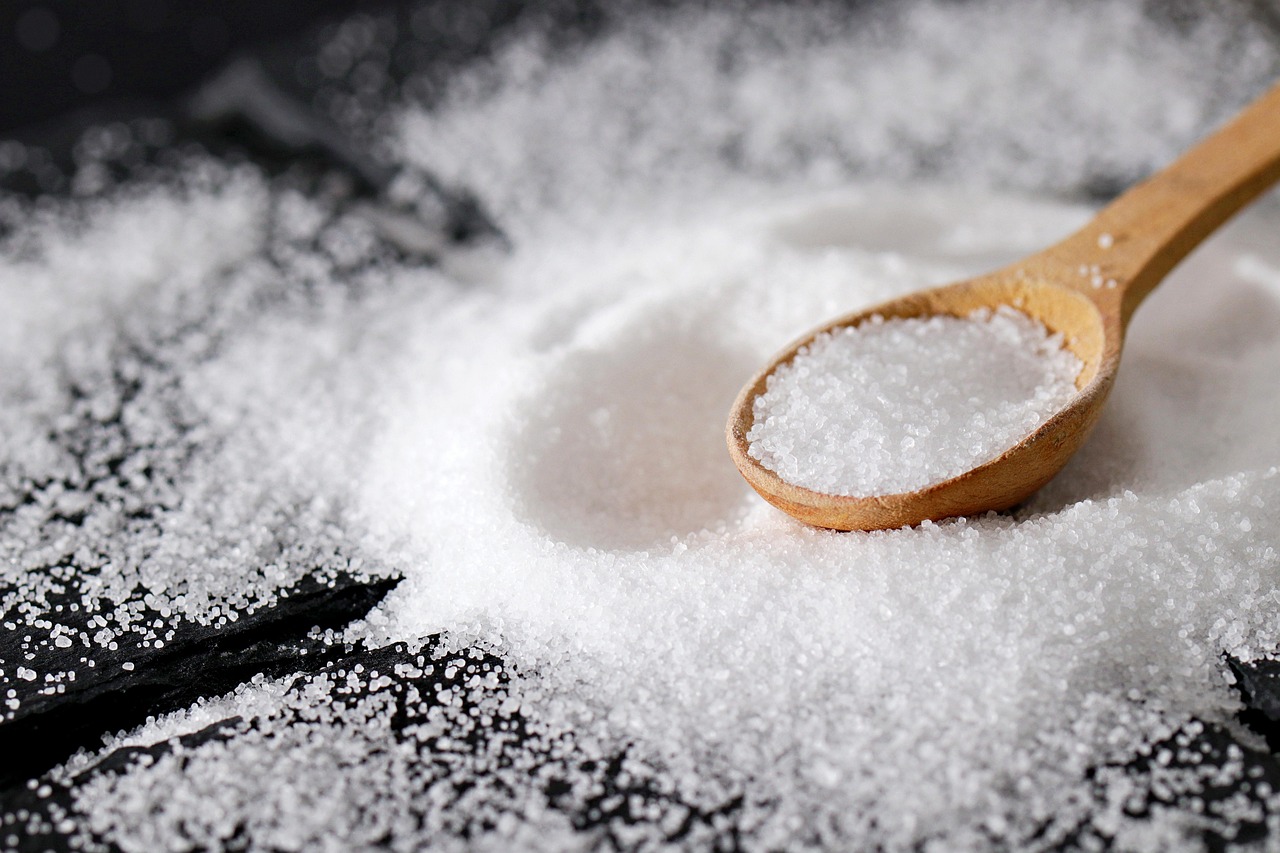
Salt matters. A lot.
Halen Môn isn’t just Welsh salt.
It’s properly good salt.
Clean, mineral, and well balanced, it seasons food precisely without harshness.
Good salt allows you to season confidently. It dissolves properly, distributes evenly, and enhances flavour without becoming the flavour. When salt is this good, you use less of it and that alone tells you everything.
Halen Môn is harvested from the waters around Anglesey, using a slow, careful evaporation process that preserves the natural mineral balance of the sea water. This isn’t salt produced at industrial scale, it’s made with attention, time, and restraint.
The flakes are light and irregular, which makes them easy to control when seasoning. That might sound like a small thing, but it matters enormously when cooking professionally. Good salt should give confidence, not force correction and this does exactly that.
When compared with the likes of Maldon sea salt it genuinely is a step above the more popular Maldon. There’s few better feelings in cooking than crunching flakes of beautiful Halen Môn between your fingers onto your food.
Their smoked salt in particular is also excellent and something I regularly enjoy adding to chocolate desserts to add a lovely depth & savouriness.
Tonyrefail Apiary Heather Honey
Honey is often treated as a generic sweetener. This isn’t that.
Heather honey from Tonyrefail Apiary has depth, bitterness, and character. It’s floral without being cloying, rich without being heavy.
Several years ago, Jason (the co-owner) stepped into my kitchen with a small brown jar of this honey.
As every chef will know, we get visited by food reps constantly & nearly always at the worst possible time. I (almost reluctantly) tasted a spoonful of the honey & I was honestly really taken back by how complex and delicious it was. I’ve used it ever since & can genuinely say it’s the best honey I’ve ever tasted, hands down.
I use it in desserts, glazes, dressings, and occasionally with savoury dishes where sweetness needs complexity rather than just a bit of sugar. It behaves more like an ingredient than a condiment.
Heather honey is notoriously difficult to produce. The flowering window is short, the yields are lower, and the flavour is far more assertive than standard blossom honeys. That’s exactly why it’s special.
Tonyrefail Apiary works with bees feeding predominantly on upland heather, resulting in a honey that has structure, bitterness, and almost savoury notes. It’s the kind of ingredient that forces you to think about how you use it. It rewards restraint and punishes carelessness.
When you taste this for the first time, you really stop and think “this is how honey was meant to taste”
While chefs talk about the more mainstream high end honey’s like manuka, this product, produced in the Welsh valleys is absolutely a better tasting product that more people should be using.
Welsh Beer & Cider
Not just something to drink
Welsh beer and cider aren’t just for the glass. They’re brilliant ingredients.
Ciders like Welsh Dragon bring acidity, fruit, and freshness to sauces, braises, and reductions. They work beautifully with pork, poultry, and vegetables.
Welsh ales such as Felinfoel’s Double Dragon add bitterness, maltiness, and depth. Perfect for stews, batters, gravies, and slow-cooked dishes. Used properly, they add body and savoury complexity.
Good beer and cider behave like wine in the kitchen. Bad ones don’t. This distinction matters.
Welsh brewing and cider-making has seen a quiet renaissance over the last decade. Small producers focusing on balance rather than novelty have made these drinks genuinely useful in the kitchen.
Ciders like Welsh Dragon, made from apples, fermented fully, and allowed to retain acidity and dryness. That makes them incredibly versatile in cooking. Likewise, many Welsh ales are brewed with enough malt and bitterness to add depth without excess sweetness. These are drinks made with food in mind; whether the producer intended that or not.
From Welsh rarebit to a classic Normandy pork & cider stew, Welsh brewers have produced beers & ciders that are great not only for drinking (and I’ve done my fair share of drinking them) but great for cooking.
Welsh Dairy
Quietly world class
Welsh dairy deserves far more attention than it gets.
The cheeses coming out of Wales now are genuinely up there with some of the best in France. Complex, balanced, and beautifully made. They work just as well on a board as they do melted into sauces or baked into dishes.
Welsh butter is rich, clean, and consistent. Exactly what you want when butter plays such a central role in your cooking as it does in mine.
And products like Conwy yoghurt from Llaeth y Llan are outstanding: tangy, thick, and alive. I use it in desserts, sauces, and savoury applications where acidity and texture matter.
Wales has ideal conditions for dairy: grass, rainfall, and a climate that favours slow growth rather than force-feeding. When that’s paired with skilled producers, the results speak for themselves.
Many Welsh cheesemakers work on a small scale, allowing them to prioritise flavour development over consistency at all costs. That’s a trade I’m happy to make. Welsh butter and milk benefit from the same conditions, rich without heaviness, clean without blandness.
Products like these succeed because they’re not trying to be universal. They’re made properly, for people who care about taste.
PGI Welsh Lamb
When it’s good, it’s unbeatable
This one comes with a caveat.
Just because lamb is Welsh doesn’t automatically mean it’s good. Poorly raised, badly handled lamb exists everywhere, including here.
But when Welsh lamb is reared properly & handled with love, it is genuinely some of the best in the world.
The flavour is clean but deep. The fat is sweet. The meat has character without being overpowering. It works with restraint, which suits my cooking perfectly.
I don’t use it because it’s Welsh.
I use it because when it’s right, nothing else compares.
PGI status exists to protect both product and producer but it’s only meaningful when upheld properly. The best Welsh lamb comes from systems that prioritise grazing, time, and respect for the animal.
Slow growth, natural diets, and proper handling result in meat that cooks evenly and tastes of where it comes from. That’s why it works so well with classical French techniques: it doesn’t need disguising, just understanding.
When lamb is treated as a product rather than a commodity, it becomes something worth celebrating.
Final Thought
None of these producers need exaggeration. Their work stands on its own.
My job isn’t to dress these ingredients up or hide behind them. It’s to cook them with the same care and restraint that went into making them. When that happens, the food feels honest, grounded, and worth eating. When you have good ingredients, your job as the cook is, put simply, dont f*ck them up.
That’s the standard I try to hold myself to.
And it’s the only reason these products appear on our tables.
Using Welsh produce isn’t about patriotism or marketing. It’s about honesty. When something grown or made here is genuinely excellent, it deserves to be used without apology or explanation. When it isn’t, it doesn’t get a free pass just because it’s local.
These producers and products earn their place on the plate and that’s the only criteria that really matters.
Cook what makes sense.
Use what tastes good.
And never confuse proximity with quality.
Tom
Chef & Owner, Bohémien