Let’s be honest, January is a of a bit rubbish month. Everyone’s a bit skint, Christmas is long gone and new years in a haze.
Seasonally speaking, January isn’t abundant in the way June or July is, and it doesn’t have the generosity of autumn. But what it does have is clarity, Sharpness & Restraint. Ingredients that know exactly what they are.
As I’ve discussed before, when menus are stripped back, seasonality becomes unavoidable. You can’t hide behind garnish or excess. You cook what’s at its best right now, or you don’t cook it at all.
We’ve only got one event in January & like all of the menus we serve, it’s built around ingredients that feel honest, confident, and completely at home in for the time of year they’re served.
January has some really special ingredients that I come back to year after year because they’re absolutely delicious. the sort of ingredients you wait all year for that brief taste of something really delicious when its exactly at its peak.
These are three of them.
Blood Oranges
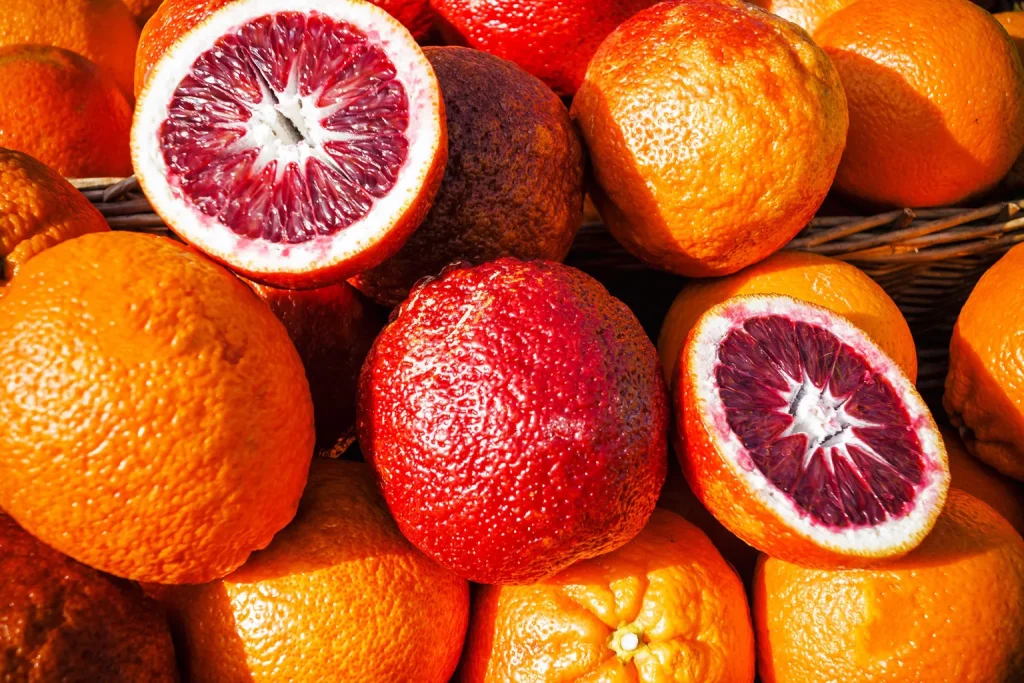
Blood oranges are one of winter’s small rewards & when they’re good, they’re spectacular. That deep crimson flesh isn’t just dramatic, it carries flavour that, for me is sharper, darker & more complex.
I still remember seeing them in kitchens for the first time, I cut into one and brought it to the chef asking if the orange had “gone bad” (Fair play, in hindsight I deserved the ridicule I received for that one)
They work beautifully in savoury cooking. Dishes like duck a l’orange are vastly improved by the addition of blood orange. They’re excellent at cutting through richness & lifting heavy sauces. I’m not a massive lover of lemon in savoury dishes & tend to use it sparingly so every January when these come around I jump at the chance to work with them, especially in place of lemons.
Historically, blood oranges originate from the Mediterranean, particularly Italy and Spain, and they’ve long been used in both sweet and savoury contexts. I love them because they share something in common with most of my favourite ingredients; they don’t need much dressing up or work (if any) to make them delicious. Use them properly and they will do the work for you.
At our January event at Full of Graze, we’re serving blood orange with a dish of baked cod, braised fennel & pastis Beurre blanc. The orange cut into segments & warmed gently through the Beurre blanc. The juice & zest put through the sauce works great with the soft braised fennel (see those beautiful Sicilian salads of chopped fennel & blood oranges)
Jerusalem Artichokes

Earthy, nutty, sweet, and unapologetically rustic. They’re not pretty. They don’t always behave perfectly. And that’s exactly why I love them.
Jerusalem artichokes thrive in cold weather. Frost improves them. Time improves them. Treated properly, they develop an incredible depth that feels comforting without being dull.
They’re also incredibly versatile. Roasted until caramelised. Puréed into something silky. Cooked slowly in butter until almost jammy. They respond to fat beautifully which I love (that should surprise absolutely no one given where I stand on fat)
They’ve been a staple of European cooking for centuries, particularly in French kitchens, often appearing in soups and veloutés during the colder months.
Personally, I love them really deeply caramelised. Taken right to the edge on the right side of burnt until crisp, deeply dark & very soft. And for goodness sake DONT peel them! Just wash them well & cook them with the skins. The skins hold so much flavour & peeling the funky little roots is a complete waste of time.
At full of graze, they’re being used in one of our vegetarian courses, a Jerusalem artichoke risotto. The risotto is bound with a puree of caramelised artichokes, filled with the soft roasted roots & topped with crispy fried slices. The dish is finished with a truffle vinaigrette & grated Comté. Artichoke works great with both truffle & good cheese so it just makes absolute sense to bring these together.
Forced Yorkshire Rhubarb

Forced rhubarb is hands down one of the greatest British ingredients.
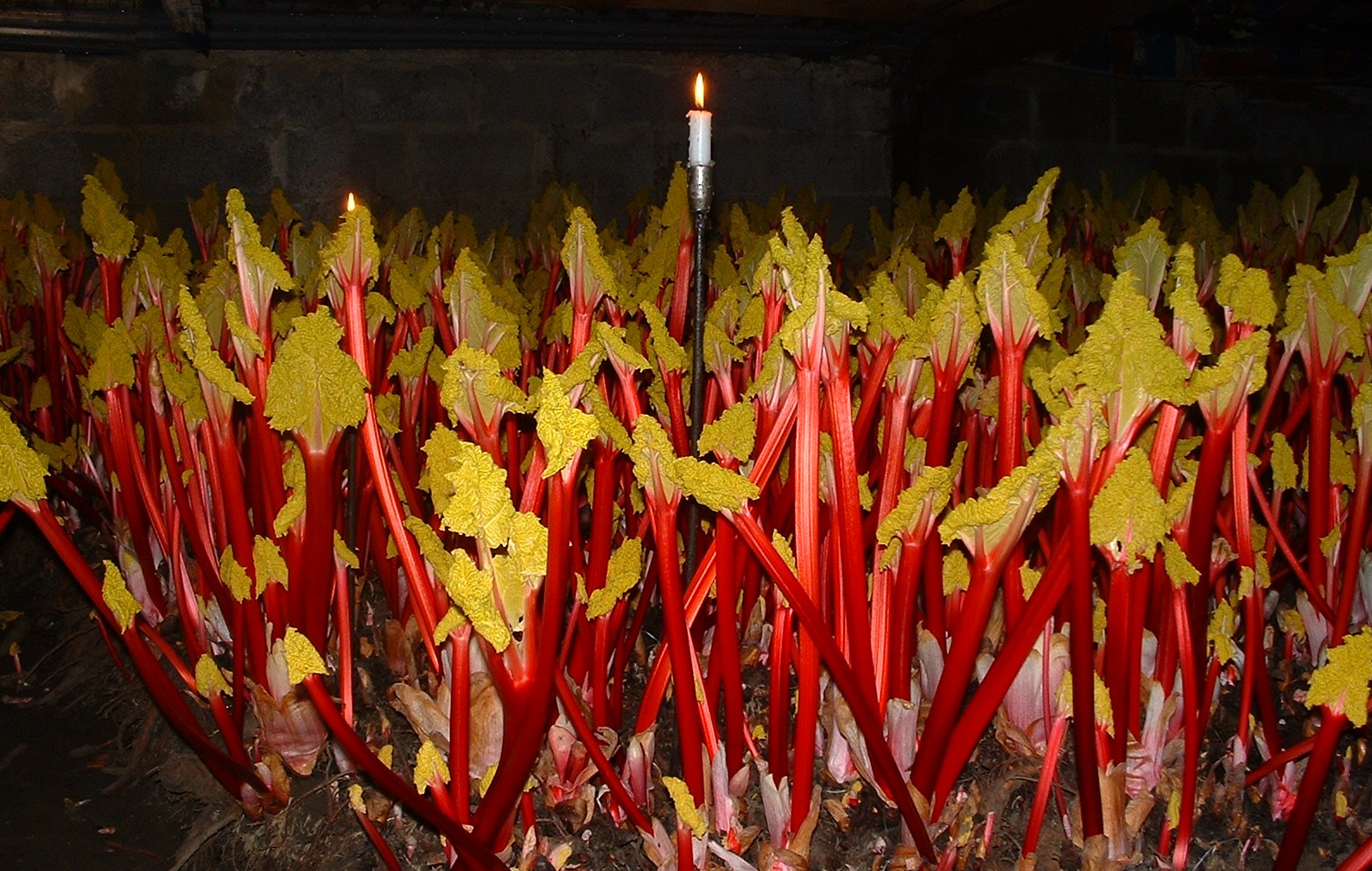
Grown in complete darkness, harvested by candlelight, and available for only a short window, it’s delicate, sharp, and far more delicious than its summer counterpart. Pale pink, slender, and beautifully acidic.
Despite often being treated as purely a dessert ingredient, rhubarb has a long history in savoury cooking too, particularly when paired with fatty meats, game, or dairy-heavy dishes. I’m preserving some of the red stuff in January to use as a replacement for tomato in a winter style sauce Vierge alongside baked scallops for our valentines event at Flynns Deli.
It’s one of those ingredients that forces restraint. Use too much and it dominates. Use it properly and it elevates everything around it.
At full of graze, we’re serving a proper French classic with this greatest of ingredients; Rhubarb frangipane tart. Crisp sweet pastry filled with almond pastry cream & slices of rhubarb, gently baked until soft. The tarte is then brushed with the reduced juices that come out of the rhubarb when baked to give a lush shine. We’re also serving this with an intense rhubarb jam & a spoonful of lactic crème fraiche to cut through the sweetness.
Why This Matters
This is the thinking behind Bohémien.
Seasonal ingredients.
Used when they’re best.
Handled simply.
Given room to speak.
January isn’t about excess. It’s about clarity. And these ingredients; blood orange, Jerusalem artichoke & Yorkshire forced rhubarb all share that same honesty.
They don’t need tricks.
They don’t need explanation.
They just need proper cooking & a gentle hand.
Our January event may be sold out, but the philosophy carries through everything we do. Every menu, every month, every decision.
Tom
Chef & Owner, Bohémien