During & after our supper clubs, I often get asked about how to cook fish. The short answer is: it depends on the fish. Each fish is different in terms of flavour, texture, thickness, even the way it carries heat. But the unifying principle? Simplicity.
I’m happy to say the dishes we serve centred around fish are often the ones we’re most complemented on. I think a lot of that is to do with the fact people don’t eat that much fish & because we serve set menus, your always going to eat some kind of fish at a Bohémien dinner.
Fish cookery is perceived as something difficult, daunting & something that many home cooks I’ve spoken too nearly avoid entirely. Cooking fish is one of the few things in the kitchen where less is truly more. Look at chefs like Nathan Outlaw or Rick Stein. Their food isn’t complicated, It doesn’t need to be. The magic lies in the ingredient itself. The better the fish, the less you have to do.
I’ll talk you through some of the basic fish cookery techniques that I employ and have done for years. Once you realise that fish cookery, essentially is like any other form of cooking, I hope you’ll be brave enough to give it a go. After all, we live on an island, surrounded by some of the best seafood in the world. We really should eat more fish.
Pan-Frying
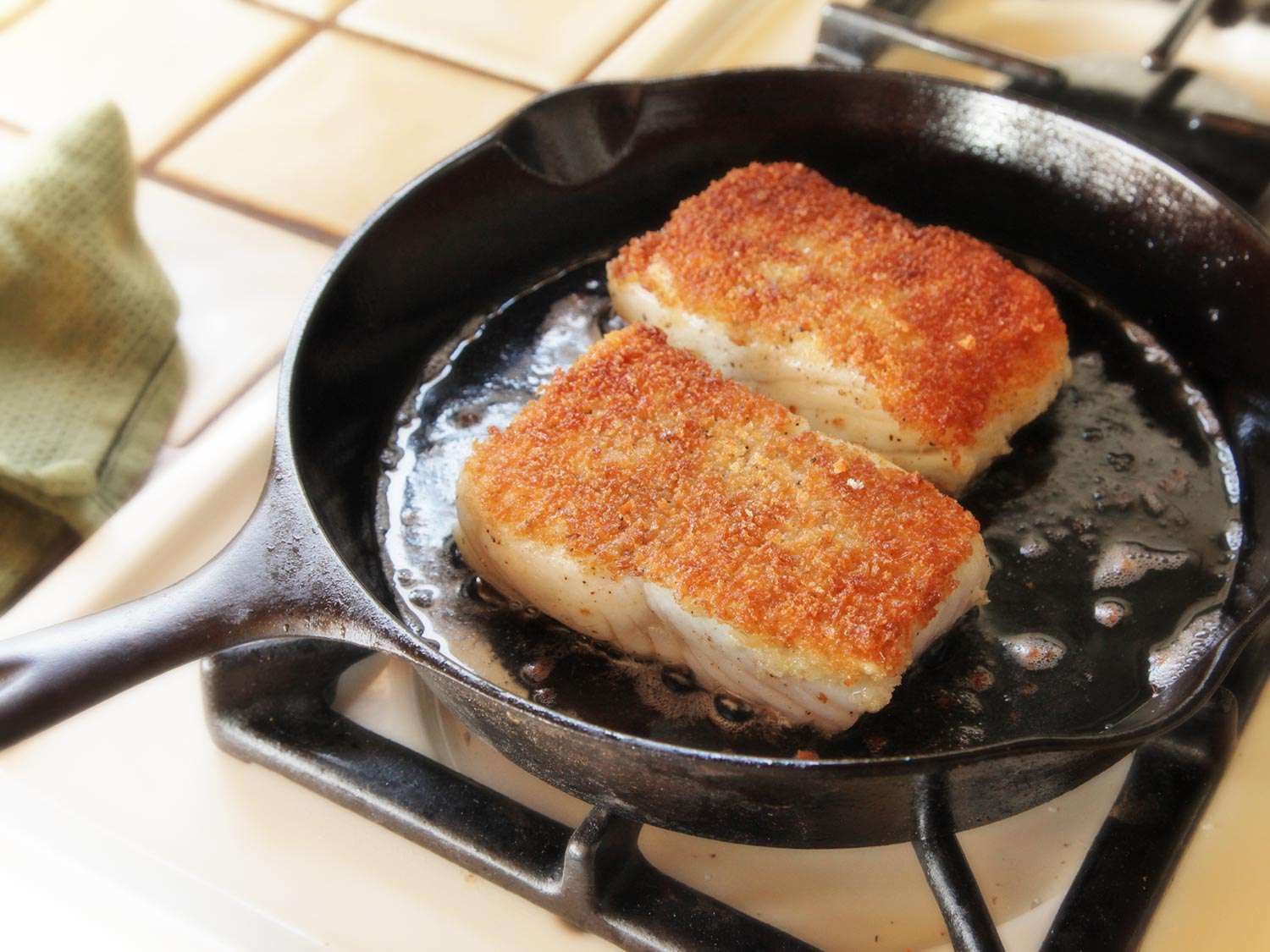
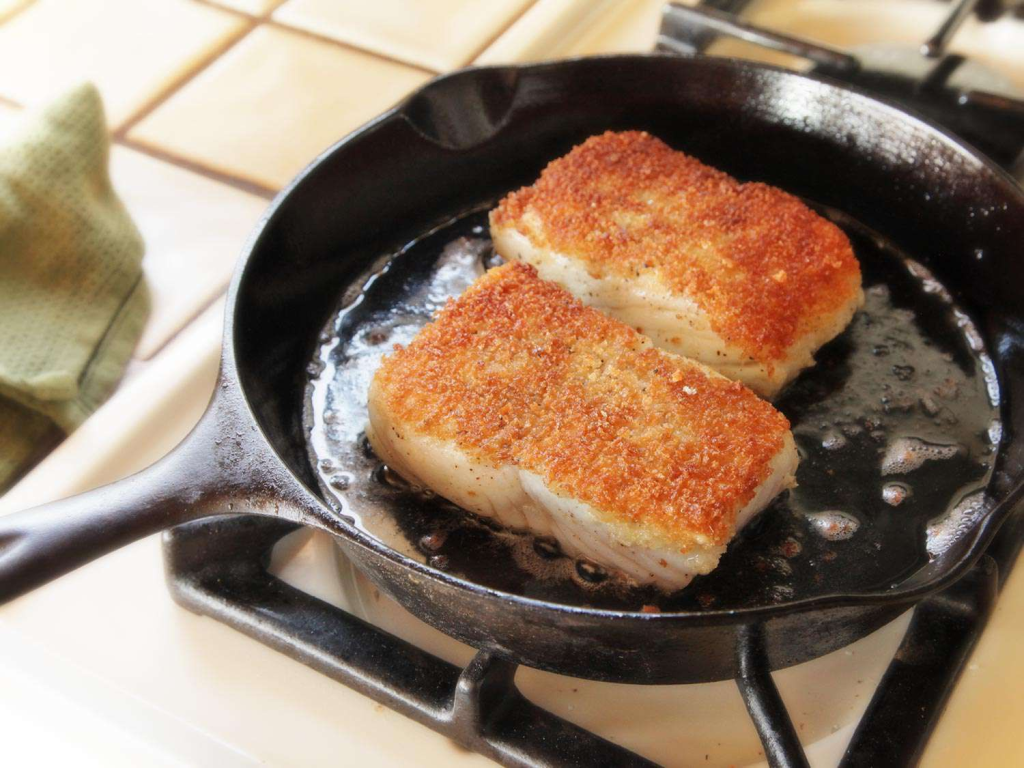
This is where technique and patience matter. Dry the skin completely before cooking, moisture is the enemy of crisp skin. Season well with fine salt, this not only seasons but will actually help the skin not stick to the pan. Heat your oil properly, till shimmering, then gently press down for a moment to ensure even contact on the skin. At this point, leave it alone & watch the flesh carefully, the colour changes from translucent to opaque as the heat travels through the flesh and this tells you exactly when it’s done.
The beauty of pan-frying is control. You can judge doneness with your eyes, your hands and your intuition. Done properly, a simple piece of fish transforms into something effortless but extraordinary. Hot, crispy fish skin is a delicious thing. This works great for fish like bass or trout, you could even pan-fry a skinless piece of fish like turbot or sole. However, I would always recommend a light dusting of flour before cooking to help generate that satisfying crust.
Poaching
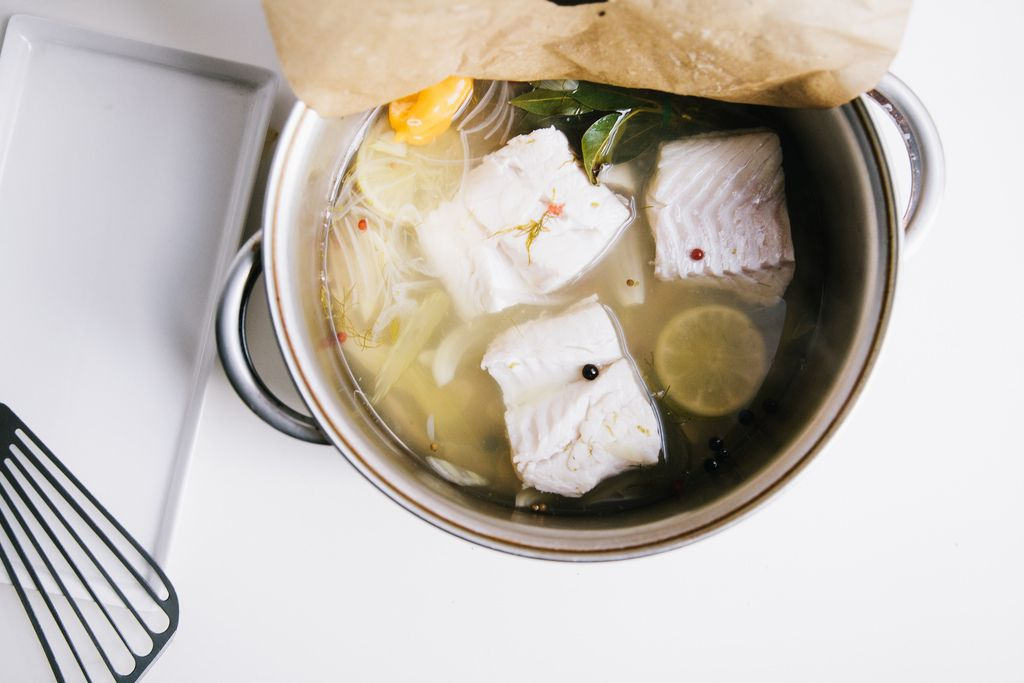
For delicate fillets, poaching is ideal. I always recommend a dry brine first: 60% salt, 40% sugar, for at least 20 minutes. It firms the flesh and seasons it subtly throughout. Temperature is everything here, keep it gentle. You’re not boiling it, you want liquid that is hot but not producing any bubbles. Allow the fish to gently cook undisturbed & remove the fish while it’s slightly underdone because it will carry on cooking as it rests. A well-poached fillet should feel almost silky, melting in the mouth.
For poaching, choose thicker fillets of fish like monkfish or salmon. The thicker the flesh the more forgiving it is to poach & the more evenly the heat will carry over when resting. You could also add different seasonings to the poaching liquor to impart more flavour.
Baking
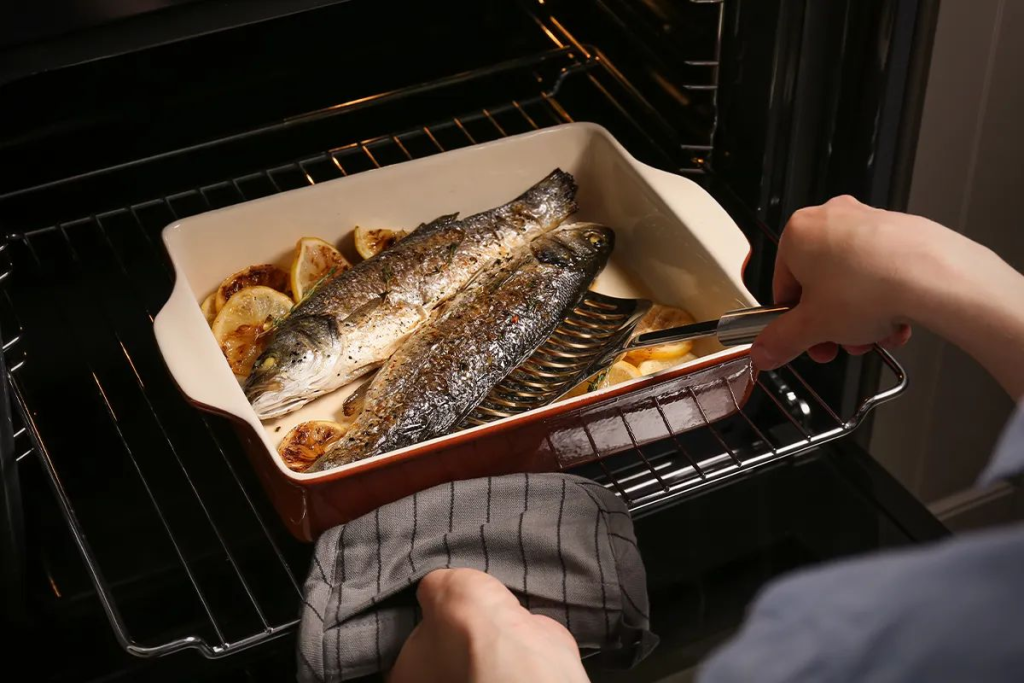
My personal favourite. Baking is forgiving and highlights the natural flavours of a thick fillet. A little fat, a sprinkle of salt and a low, steady oven is all you need. Eating a thick fillets of trout cooked this way is genuinely one of life’s simple pleasures. It’s understated, satisfying and shows what the fish is capable of. Anyone can do this!
You really don’t need a ripping hot oven for this, just preheat your oven to around 160c and let that gentle transfer of heat into the flesh create that wonderful texture. For all the fancy technical ways to cook fish, this really is just an effortless way to make something delicious.
Molluscs
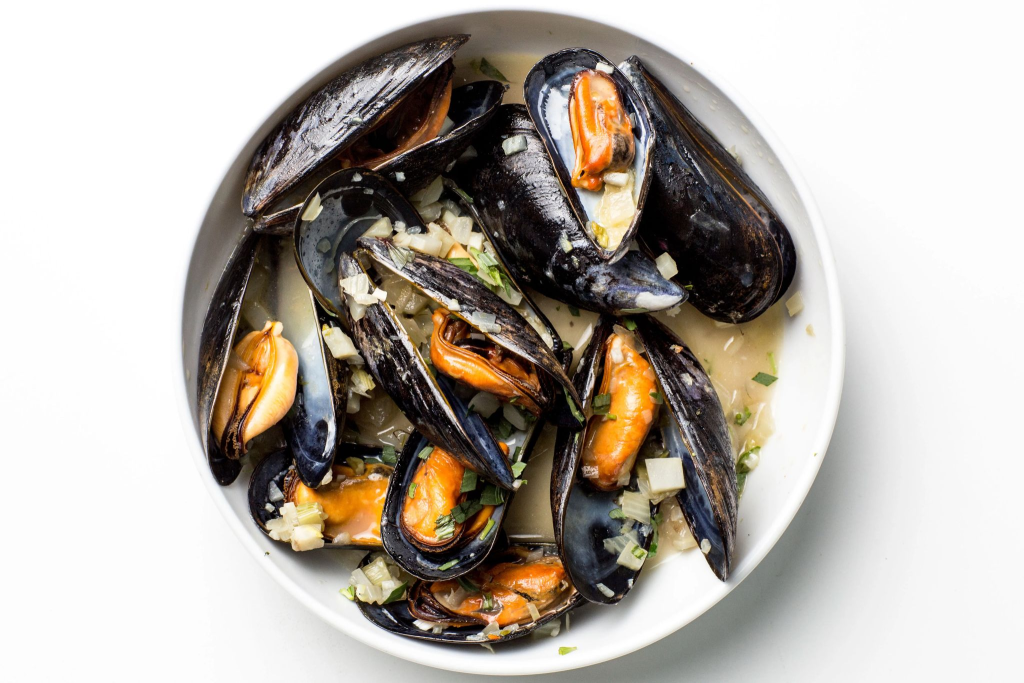
Mussels, clams & cockles all require high heat & quick cooking. Think of mussels steamed with a glass of good cider, the juice released mingling with the cooking liquid, finished with a spoon of crème fraiche. Serve it on thick slice bread, its heaven. Again, simplicity is key, don’t overthink it. Just remember to discard any that don’t open after cooking.
Crustaceans
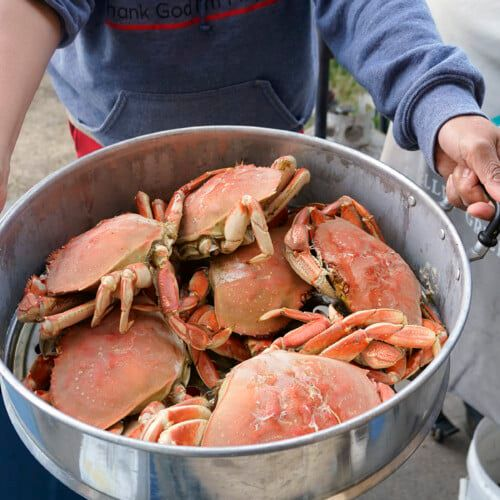
Lobster, crab, langoustines. For me, the real magic is actually in the shells. Boiling or roasting the meat is fine but if you douse it with a sauce with the shells, the flavour triples. The shells are intense, sweet, briny, everything the meat only hints at. A light bisque made from shells, drizzled over the meat or served as a sauce, is one of those things you remember.
Also, in my opinion at least, lobster is a waste of money. It’s got only a fraction of the flavour of langoustines or crab & while the sauce you can make from the shells is delicious, the meat is just incomparable to the deep briny flavour of good crab or langoustine.
The Light Touch
There are countless ways to cook fish. Sous vide (not in my kitchen but you do you), smoking, deep-frying, grilling. But my philosophy is simple: if a fish (and in a sense really any ingredient) is high-quality, it doesn’t need a gimmick. Most seafood benefits from a light touch and minimal intervention. There are exceptions, of course, some dishes demand time and technique but most of the time, restraint is the secret.
For me, this is the joy of cooking fish: doing enough to let the ingredient shine, not overshadowing it with overcomplication.
Ultimately, fish is about respect. Respect for the ingredient, the water it came from and the hands that delivered it. You don’t need to reinvent the wheel. You just need to do right by it.
Fish cookery really isn’t that difficult, as always just buy the best you can and cook it SIMPLY.
Tom
Chef & Owner, Bohémien