Every chef has their favourites.
Not necessarily the flashy ingredients. Not necessarily the expensive ones. But the things you reach for instinctively. The ingredients that quietly shape your cooking whether anyone notices or not.
These aren’t trends.
They aren’t secrets.
They’re foundations.
If you stripped my cooking back to its bare bones, these are the ingredients that would still be there. The ones I rely on every time. The ones that, without them, the food simply wouldn’t taste like mine.
Salt
The most important ingredient in any kitchen
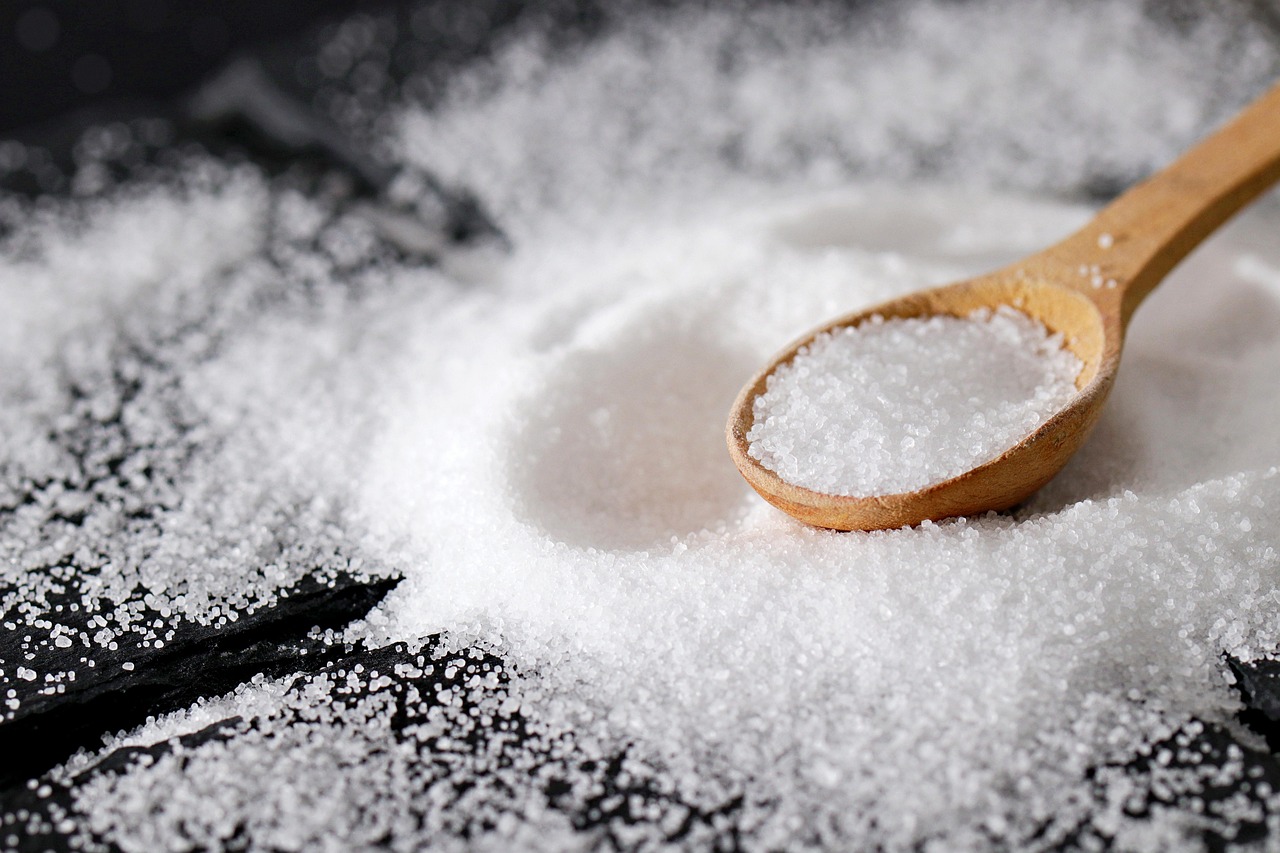
Salt isn’t just seasoning. Salt is structure.
It’s the difference between something tasting finished or unfinished. Between a good dish and a great one. It doesn’t just make food salty, it enhances sweetness, balances bitterness, sharpens acidity, and deepens savouriness.
Brining meat, curing fish, salt baking vegetables; these are foundational techniques, not cheffy tricks. I’d rather have fewer ingredients seasoned properly than a plate full of things that taste flat. Whether you are seasoning a piece of meat with fine salt before roasting in foaming butter or crunching sea salt between your fingers onto some beautifully glazed vegetables just before serving, salt is the magic ingredient.
If you only learn one thing about cooking, learn how to season properly. The idea is using salt to make food taste more of itself rather than add salt as its own flavour. This is something that does take time to understand & a bit like knowing how a piece of meat is cooked by touch, its a learned skill. So often the difference between an okay plate of food and an excellent one is a pinch of salt.
You will likely notice from any recipes I post on social media, I don’t treat pepper as a seasoning….. because it isn’t. Salt & acid enhance flavour, they essentially help make food taste more of what it should. Pepper, as with all spices, changes flavour. That’s not to say that I don’t use pepper in my cooking, on the contrary a really well made pepper sauce is delicious & game finished with freshly ground pepper is delicious. But the idea that salt & pepper are the default seasoning for everything is just not something I believe in.
Butter
Obviously
Let’s get this out of the way early.
Butter was always going to be here.
It’s richness.
It’s gloss.
It’s comfort.
It’s the soul of French cooking.
Butter finishes sauces, enriches vegetables, builds emulsions, carries flavour, and rounds everything out. It softens sharp edges and brings dishes together in a way oil simply doesn’t.
You don’t use butter to show off.
You use it because food tastes better with it.
Imagine pommes puree without butter, imagine a world without soft pillowy brioche, perfectly moist cakes, flaky croissants or hollandaise sauce slowly drifting off of a perfectly poached egg… I shudder at the thought of such a world.
I nearly always start cooking proteins in butter as its power to caramelise meats is unmatched. A steak cooked with butter the whole way, rather than just added for show at the end of cooking, will have a greater depth of flavour & deeper caramelisation than one cooked without.
Additionally, I would argue that even with the bounty of delicious food from the full repertoire of French cooking & in fact event global cooking, for me at least, a slice of very good bread with a thick spreading of great quality salted butter is the nicest thing you can eat. But that’s just me.
Shallots
The quiet workhorse
I feel like these are a little misunderstood by home cooks, those “long fancy onions” as my father would say. But these have a flavour considerably different to the large white onions or red salad onions that people are used to using.
If onions shout, shallots whisper.
They’re sweeter.
More refined.
More precise.
Shallots form the backbone of countless sauces, vinaigrettes, reductions, and braises in my cooking. They melt beautifully when cooked slowly and bring depth without aggression. Shallots are much more consistent, provide more sweetness & perfume than other onions. They are also great raw or quickly pickled.
When I want control, I reach for shallots.
They don’t get in the way, they build flavour patiently in the background.
So much of good cooking, of layering flavours & building dishes really comes from the cooking of onions (see most great curries, traditional French country cooking & countless other cuisines) and these, for me at least, are the best & most consistent you can use.
Thyme
My favourite herb
I love herbs.
I use soft herbs a lot
But this is the one I come back to thyme and thyme again (see what I did there?)
It has an unmatched depth, warmth & earthiness. It works with meat, fish, vegetables, sauces, stocks, and braises. It holds up to long cooking without losing its identity, and it adds a savoury backbone that few herbs can.
If rosemary is assertive, thyme is confident. It knows when to step forward and when not to.
It also is great for home cooking as, looked after it will last for ages in the fridge & even dried it still carries a great flavour.
Eggs
Irreplaceable
Eggs are one of the most important ingredients any in cooking. Full stop.
They thicken sauces.
They emulsify.
They enrich.
They bind.
They aerate.
They clarify.
Custards, hollandaise, mayonnaise, pastry, pasta, cakes, mousses, eggs are everywhere. And beyond technique, they’re delicious in their own right.
A perfectly cooked egg can carry a dish entirely on its own.
Few ingredients are as versatile or as essential.
Back when I was working in other people’s kitchens, my cooks were forever cursing eggs as I would always have an egg dish on the menu. Oeufs en meurette, omelette baveuse, or even just a perfectly poached egg dropped into a rich, velvety soup (something we’ve served many times at Bohémien)
Eggs are also the traditional test for hiring new cooks, give 10 cooks 3 eggs each and ask them to make an omelette and you will get 10 different omelettes and ways of creating those omelettes. Nearly everyone can get access to eggs, home cooks and professionals alike. It’s what you do with them that sets your cooking apart & I love that about them.
Red Wine
Flavour, not booze
I don’t cook with red wine to add alcohol.
I cook with it to add depth.
Red wine forms the backbone of countless sauces, braises, marinades and reductions. It brings acidity, bitterness, sweetness, and complexity all at once. When cooked properly, the alcohol disappears, leaving structure and richness behind.
Good food doesn’t taste of wine.
It tastes better because wine was there.
I’ll never pretend to be an expert in wine. There are much more informed people who can tell you about the complexities and intricacies of wine (see Môr by Barry island spirits or Moura) but from a cooks point of view, red wine treated properly adds so much depth, with sauces in particular (and let’s not forget at its heart, French cuisine is a food built on great sauces) when reduced properly, when treated with a gentle hand, red wine is the heart & soul of so many legendary sauces.
While I use white wine often, for me red wine is the more versatile of the two and has to be on this list. & don’t fall into the trap of buying expensive wine for cooking. As long as you have decent wine, wine that you would or could drink, you wont go far wrong.
Cold pressed Rapeseed Oil (Specifically, Blodyn Aur)
Golden flower
Blodyn Aur is, in my opinion, superior to olive oil for much of the cooking I do.
Produced near Corwen in north Wales, this oil is fresh and has a beautiful nutty flavour and deep golden colour.
It’s fresher.
It’s cleaner.
And crucially, it’s from here.
If I can support something made in wales and it’s of a matching or better quality than an ingredient from further afield then I always will.
I use it as a base for vinaigrettes, for gentle cooking, for finishing vegetables, for sauces where I want clarity rather than heaviness. It doesn’t dominate. It supports.
I spent my whole career using olive oils & while I do love a good olive oil, I genuinely believe this has a better flavour & is much more versatile than many of the olive oils I’ve tasted over the years. It has a much more interesting flavour & doesn’t have the bitterness you can get in certain olive oils.
(Note; I’m not sponsored in any way by the producers of Blodyn Aur, I just think they’re product is bloody delicious)
Dark Chocolate
The only chocolate I really care about
Dark chocolate is bitterness, depth, and restraint.
I rarely use milk chocolate. Dark chocolate works better in desserts as it’s much easier to work with. It adds seriousness & It balances sweetness rather than amplifying it.
From marquise to glazes to sauces, dark chocolate brings intensity without sugar overload. Used properly, it feels grown up, indulgent, and satisfying without being heavy.
Dark chocolate, due to having higher cocoa solids and cocoa butter content has a higher melting point and more stability than milk or white chocolate. It’s so rare that I will use any other chocolate in my cooking.
I’ll let you in on a secret… I don’t personally enjoy chocolate. I haven’t got a sweet tooth whatsoever. I will reach for the cheese before the sweet stuff nine times out of ten.
However, as a cook dark chocolate is such a valuable ingredient, it has to be on this list. I nearly always provide guests with a chocolate dessert as one of the 2 sweet courses at our 7 course dinners.
Mustard
Always there, rarely noticed
Mustard is one of the most underappreciated ingredients in cooking.
It emulsifies vinaigrettes.
Sharpens sauces.
Balances fat.
Adds depth without screaming for attention.
It rarely tastes like mustard when used properly. It just makes things work. It’s a background ingredient that quietly pulls everything together.
I use it constantly.
You just don’t always know it’s there.
Whether it’s the roundness of Dijon, the texture in whole grain or the nose punching piquancy of English mustard. It’s used throughout many of the dishes we serve at Bohémien.
Garlic
The logo wasn’t an accident
Of course garlic made the list.
But not raw garlic, I love garlic when it’s cooked slowly. gently softened in oil or butter until sweet, mellow, and deeply savoury. At that point, it stops being an ingredient and becomes a flavour foundation.
Used with care, garlic adds depth like few other things can. Used badly, it dominates everything.
Like most things in cooking, it’s about restraint.
And let’s be honest, stereotypes aside, I cook French food. Garlic was always going to be a massive part of the conversation.
⸻
Final Thought
None of these ingredients are exciting on their own.
That’s the point.
They’re tools.
They’re foundations.
They’re what allow everything else to shine.
Good cooking isn’t about chasing rare ingredients or complicated ideas. It’s about understanding a the foundations deeply and using them with confidence.
These are mine.
And without them, Bohémien simply wouldn’t exist.
So often these ingredients are the unsung hero’s that sit in the background making your dinner delicious without you knowing they are there. Well I guess, now you do.
Tom
Chef & Owner, Bohémien