The start of a new year always invites reflection.
In kitchens, it’s often when people start talking about plans, new menus, fresh ideas; sometimes before they’ve even finished digesting Christmas. And yet, if there’s one thing that becomes clearer with time, it’s that the best food doesn’t come from chasing novelty. It comes from paying attention to the seasons.
As we head into 2026, it feels like the right moment to talk about seasonality. Not as a buzzword, not as a moral badge, but as a practical, honest way of cooking that shapes everything we do at Bohémien.
It’s also why all of our menus for the year ahead are already planned and bookable on the website. Not because we want to lock ourselves into rigid ideas, but because cooking seasonally allows us to work with the calendar rather than against it.
Why Work Seasonally
Seasonality isn’t a marketing angle. It’s simply the best way to cook.
I was once told by a fairly well known chef, who shall remain nameless, that cooking seasonally is merely a marketing tool. Only something people talk about because it makes clients feel like their doing the ‘right thing’. This cynical approach has always bothered me and I think really what it boils down too is a lack of understanding.
Long before menus were dictated by Instagram or supply chains that could fly anything anywhere at any time, cooks learned to respond to what was available. Not just because it tasted better but because it made sense practically. Inevitably, anything done within food that is born out of practicality or necessity nearly always results in something delicious. the old adage ‘what grows together, goes together’ really does work & eating/cooking seasonally really does give you the best tasting food.
Seasonal cooking forces restraint.
It asks better questions.
It narrows your choices, which paradoxically makes cooking more creative.
When ingredients are at their natural peak, they don’t need rescuing. They don’t need heavy handed technique or unnecessary decoration. They just need understanding & the common sense to serve them.
That’s exactly the type of cooking I care about.
Quality, Cost & Common Sense
There’s a practical side to seasonality that often gets overlooked.
When ingredients are in season:
• They taste better
• They cost less
• They behave more predictably
A tomato in August needs almost no intervention; the same tomato in January needs endless seasonings to taste even somewhat like a tomato.
Working seasonally allows us to put money where it matters. Instead of paying inflated prices for mediocre produce, we invest in quality proteins, good dairy, proper butter, and ingredients that carry flavour naturally.
That balance matters, especially when you’re trying to keep menus honest and prices fair.
It also supports the growers & farmers who produce and rear our food. This is where conversations about seasonality often get muddied, especially at this time of year when things like Veganuary dominate the food conversation.
I understand why people do it. Questioning how we eat, even temporarily, is never a bad thing. But it’s worth being honest about the realities behind some of the so-called “plant-based” choices.
Many vegan alternatives rely on ingredients grown out of season, processed heavily, or flown halfway across the world before they ever reach a plate. Avocados in January. Almonds grown in drought-stricken regions. Soy, coconut, cashews and pea protein shipped thousands of miles to be turned into something that imitates meat or dairy.
When people talk about plant-based diets being better for the planet, those factors are often left out of the conversation. Food miles matter. Seasonality matters. Processing matters.
Eating sustainably isn’t about labels, trends, or one-month commitments. It’s about using what grows well, close to home, at the right time of year, and wasting as little as possible. Sometimes that’s vegetables. Sometimes it’s meat. Often it’s both.
Seasonality isn’t a moral position. It’s common sense.
The Benefits of Seasonal Menus
Cooking seasonally brings clarity for us and for our guests.
Menus become more focused.
Flavours feel grounded.
Plates make sense for the time of year.
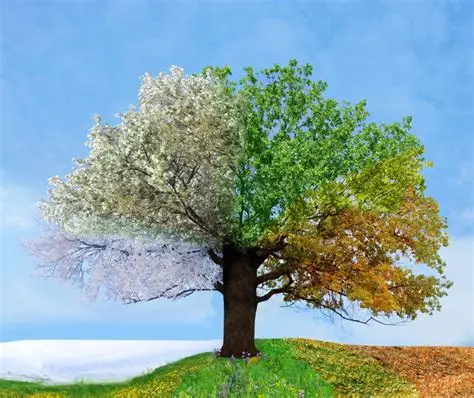
Winter food should comfort. Root vegetables, braises, slow cooking, these big earthy flavours make sense in winter.
Spring food should lift. The first shoots of green & the return of wildlife signals a return to lighter, more considered eating.
Summer food should feel generous and relaxed. With so much fresh produce available, dishes automatically become simpler and showcase produce at its absolute peak.
Autumn food should ground you again. Wild game, autumn fruits, wild mushrooms & the last of the summer produce signal the change heading back to winter.
Seasonality gives food a narrative without forcing one.
It also gives guests something to return for. Eating with Bohémien in March should feel different to eating with us in October. Not because we’re chasing novelty, but because the landscape itself has changed.
Planning a Year Ahead (Without Losing Flexibility)
One of the questions I’m often asked is how we can release menus months in advance while still cooking seasonally.
The answer is simple: we plan structures, not rigid dishes.
I know what ingredients will define each part of the year.
I know which techniques suit those ingredients.
I know the kind of food that feels right in February versus September.
What changes are the details. I know these products will be at their best, I may make small changes ad-hoc but ultimately you will always get the best possible produce at the time of year when it is at its best. Seasonality doesn’t mean improvisation for the sake of it. It means informed decision making.
That’s why all of our 2026 events are now live on the website. You’re not booking into a fixed list of dishes; you’re booking into a way of cooking.
Seasonality Isn’t About Restriction
There’s a misconception that seasonal cooking is limiting.
In reality, it’s the opposite.
It frees you from excess choice.
It removes the pressure to please everyone.
It allows dishes to exist because they should, not because they look good written down.
Some of the best things I cook each year only exist for a few weeks. Asparagus, Wild Garlic, Forced Rhubarb, Pembrokeshire earlies, Chanterelles, the list goes on. That’s not a weakness, that’s the point. If you lean into that idea it forces creativity and following the framework of classic French cookery provides you with the basis to make delicious food with very little.
Food should be fleeting.
That’s what makes it worth paying attention to.
Looking Ahead
As we move into 2026, our approach remains the same:
Cook with intent.
Let ingredients lead.
Strip things back when they don’t need to be there.
I was recently asked at our New Years Eve dinner with Moura, why I wear a shirt with the words “More butter less bullshit’ written in large font on the back. my response was simple; because that’s really what I believe food should be! Get rid of the fads, the trends, the egotistical cooks telling you how to eat your dinner & just serve great tasting food, when its in season & sourced as well as you can within your means.
Seasonality isn’t a trend we’re following into the new year.
It’s the framework to everything we do that allows everything else to make sense.
If you join us this year, you won’t just be eating a menu.
You’ll be eating a moment in time, cooked properly & without fuss. And if ingredients are in season, that job is made significantly easier & the food becomes instantly more delicious.
Tom
Chef & Owner, Bohémien