Christmas cooking has a strange way of making people nervous.
Even confident home cooks suddenly feel like they’re being judged. The turkey becomes a test. The potatoes carry expectation. Everyone has an opinion, often loudly voiced, usually contradictory. And yet, when you strip it all back, Christmas food isn’t meant to be complicated. It should be generous, comforting & shared with loved ones.
Over the years, cooking professionally and at home, I’ve learned that the best Christmas meals don’t come from chasing perfection. They come from preparation, restraint and understanding what actually matters.
My Approach to Christmas Cooking
I treat Christmas the same way I treat any good menu. Focus on a few things, do them properly, don’t overreach. Christmas fails as many dinners do when people try to do too much. Too many sides, too many last minute dishes, too much stress for food that’s supposed to bring people together. It isn’t worth ruining your day to feed people.
My rule is simple:
If it doesn’t improve the meal, it doesn’t go on the table.
The Turkey (Or Whatever You Choose to Roast)
Let’s start with the obvious. I recently put a message out on social media, asking what everyone was cooking for Christmas. The first few responses were asking for advice on turkey.
My honest reaction.
Don’t bother…..Then I remembered I run a food business and probably should be more helpful.
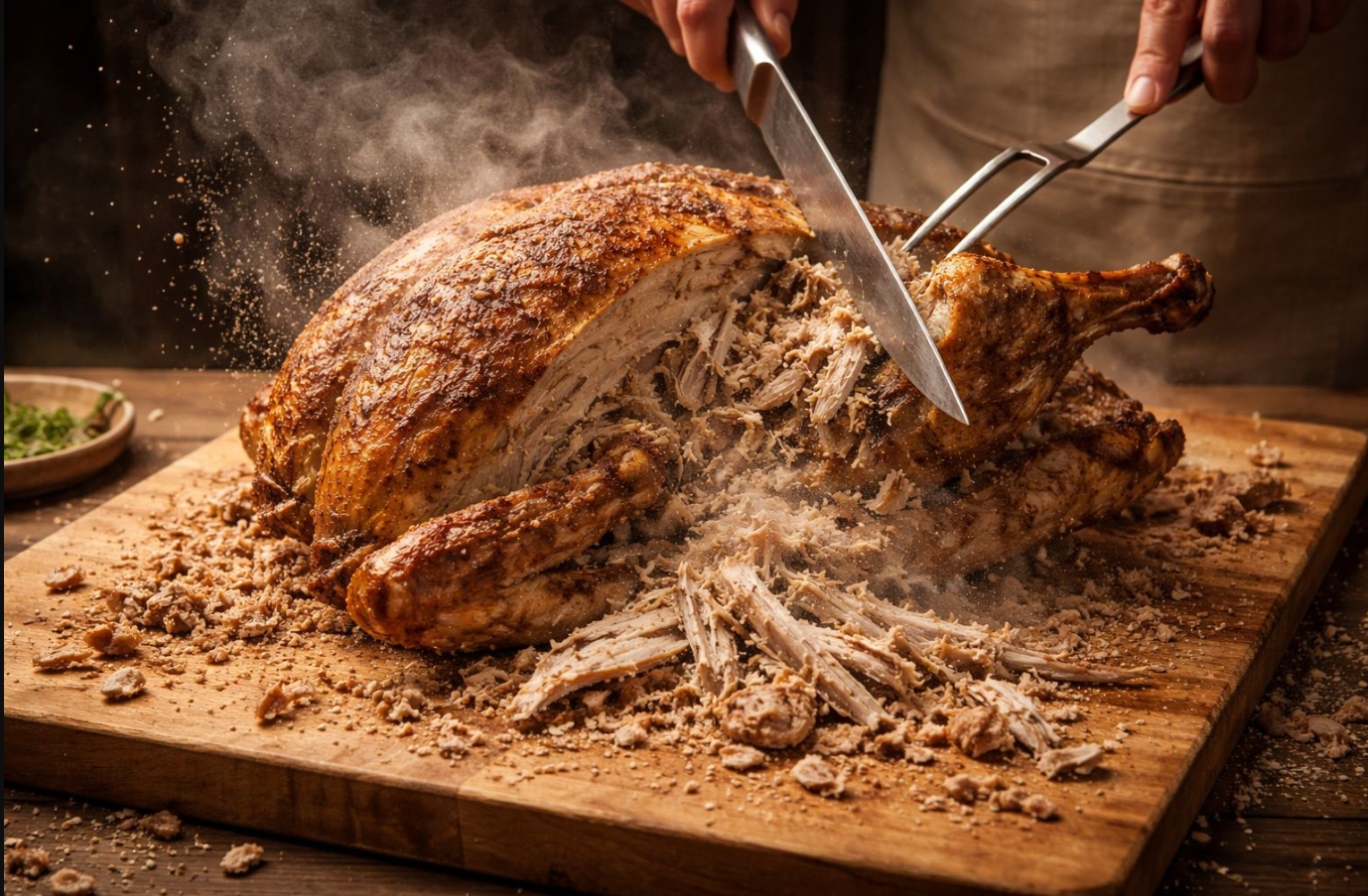
While many chefs famously don’t care for Turkey & I myself am very much in that category (you try cooking hundreds of turkeys for the only month of the year anyone actually eats it for a decade then tell me you like turkey!) it’s not as hard to cook as it’s made out to be. Just follow a few simple steps and you’ll be carving into the white stuff on the big day without worrying if it will begin too fall apart into a dry mess as soon as you begin carving.
If I’m cooking a turkey, I’ll do three things:
Buy the best bird I can afford.
Season it well, early.
Let it rest properly.
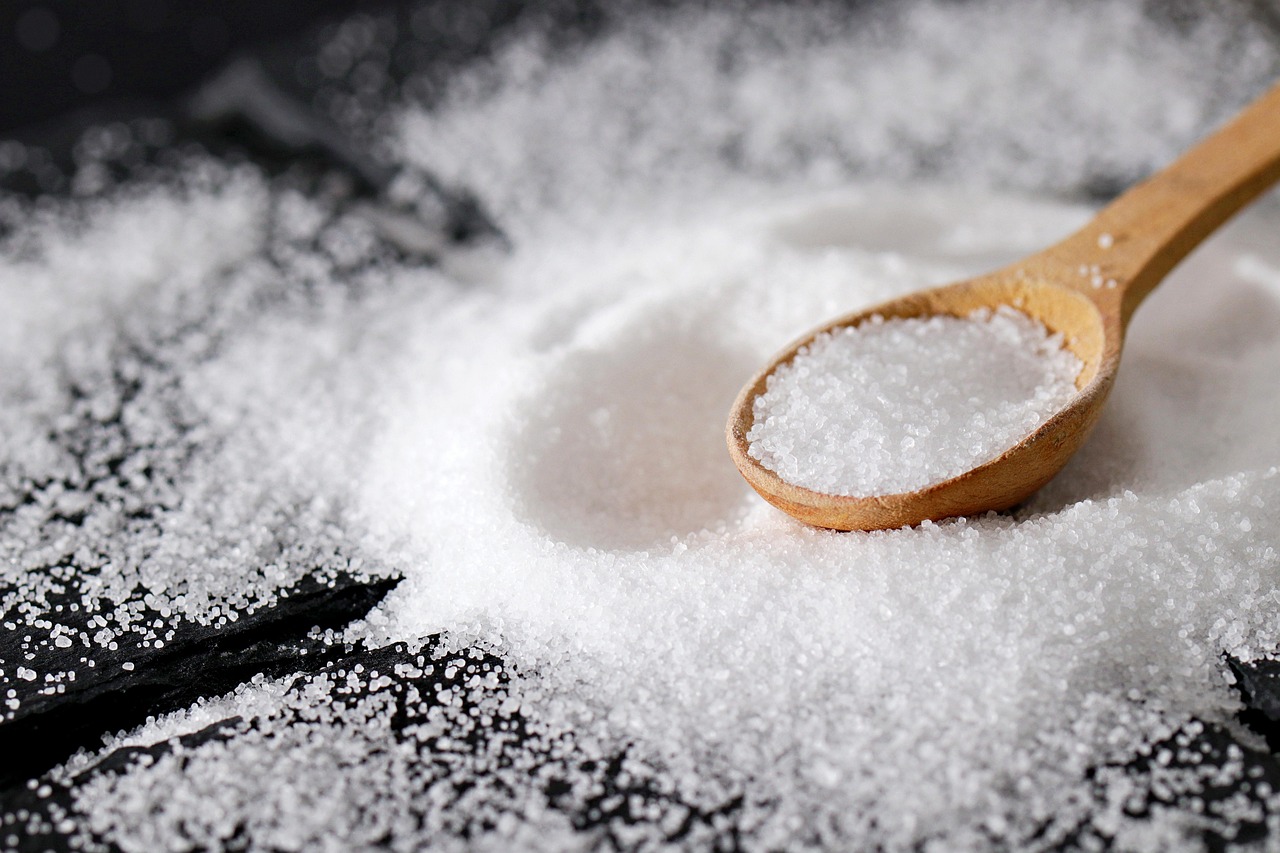
Dry brining the bird a day in advance is the single best thing you can do. I don’t believe in wet brining for any protein, I never have. A basic dry brine of 3-1 salt & sugar is, in my opinion the best way to help season and keep any protein moist. the brine penetrates, seasons the meat, and helps it retain moisture. You can also push some chilled, seasoned butter under the skin to help baste the meat and flavour it as it cooks but honestly, nothing beats a dry brine.
I roast it simply, baste occasionally. and rest it for a long time. Resting isn’t optional, it’s where meat finishes cooking and relaxes. If I was eating the skin I wouldn’t baste as it inhibits the crisping but let’s be honest, who really enjoys turkey skin?
And if you’re not cooking turkey? (as we’ve established I won’t be tucking into the annual festive sponge) then some great alternatives are;
Roast goose or duck, a great big standing joint of beef, crispy pork belly or a golden roasted chicken. For me goose is the superior option, while it may only seem like only something Charles dickens would write about, goose is the traditional Christmas bird and if you can afford it, a slowly roasted goose cooked lazily on Christmas morning is one of life’s greatest pleasures.
Simply dry brine the goose overnight, prick the skin all over, give it a quick blast on high heat then turn it down low for several hours. Believe me, you won’t regret this choice.
Roast Potatoes (the real hero)
Potatoes are where Christmas dinners are won or lost. They are, at least in my opinion, the real hero of any roast.
The mistake people make is usually rushing them. Don’t faff around following fads, adding semolina or loads of chopped herbs that burn after 5 mins. Just follow these easy directions to get the best roasties possible.
Peel and cut the potatoes with a bit of purpose. You want flat edges that will crisp up & get almost jammy and confit in the fat. I parboil them until the edges start to collapse but not till they’re cooked the whole way through and falling apart. Rough them up, then let them steam dry. This step matters more than any fat you use. Creating those craggy edges is a crucial step. This doesn’t mean scraping each potato with a fork or bashing the living daylights out of them. Just gently toss them in the colander you drain them in. Then let them cool & dry completely. You could even do this step the day before and cool them in the fridge. Making the big day a whole lot easier, I know I will be.
The fat should be hot. Really hot. Beef dripping, goose fat, duck fat are all good. Use fat that has a high smoking point; this is possibly the one time only I will advise you to not use butter. Get a deep tray, add the fat and preheat it till it’s as hot as it can get. You want to shallow fry the potatoes in the oven with a good generous layer of fat. Add the potatoes carefully; maybe lay off the snowballs before this step as hot fat isn’t exactly fun being splashed onto your skin at any time, not least on Christmas morning. Add more salt than you’re probably comfortable with (be brave) and roast for at least 45 mins in a hot oven, turning every 15 mins. The goal is deeply golden potatoes, this isn’t quick but if you’re prepared, it is easy.
When they’re ready, drain them & serve immediately; if they make it as far as the table that is.
Vegetables: Simpler Than You Think
Boiled vegetables with no seasoning are a crime at any time of year & especially at Christmas. Vegetables don’t need to compete with the roast or be complicated.
Just choose a few key vegetables and do them justice.
A few highlights that I love are;
Sprouts with smoked bacon & chestnuts
These are great and again all the work can be done in advance. Just shave the sprouts using a sharp knife or mandolin (mind those fingers) then separately cut some good smoked bacon or pancetta. You can buy cooked chestnuts online or in supermarkets & these just need breaking up by hand. Sauté your bacon in a wide pan over low heat and render all the fat out. Remove the bacon but keep the precious fat in the pan then add the shredded sprouts and sauté till soft. Add the bacon back into the pan along with the chestnuts & heat through.
Honestly this is one of the best Christmas sides & by shredding the sprouts they actually stay warmer for longer. Just keep them covered until you need them or refresh them over low heat when needed.
Glazed carrots
These are another vegetable dish that can be prepped in advance and finished on the day. Simply cut your carrots into even size pieces, place them Into a wide, high sided pan with good a splash of stock, pinch of sugar, salt, good knob of butter & your favourite aromats (star anise, thyme, bay etc). Then just bring to a boil covered with a cartouche & cook until the liquid has almost evaporated and the butter has emulsified with the stock producing this glorious glossy glaze. These can also be kept warm with a lid on & reheated with ease on low heat.
Mulled wine red cabbage
Shave a head of red cabbage nice & fine then place in a pot with a couple grated apples, some Christmas spices (star anise, nutmeg, cinnamon etc) a glass of good red wine or even cider & a big pinch of sugar or honey then let it simmer over medium heat for about an hour or so till soft and sticky. This one gets better the longer you leave it & will definitely be better made a day or 2 in advance.
Sauce Is the Point
People obsess over the meat and forget the sauce. Gravy is what ties the whole thing together & let’s be honest, a great gravy can save a mediocre dinner.
This is how I will be making my Christmas gravy, it’s fool proof, gets the most flavour out of your ingredients and doesn’t leave you slaving in the kitchen on the big day.
Step 1: Roast the Trim (do this on Christmas Eve!)
Before the big day, roast all the trimmings from your meat along with a roughly chopped onion, a couple carrots & leek until deeply browned. I buy a couple of chicken wings for this to get added meaty flavour but the trimmings from a turkey or goose will work for this alone. Roast on high heat until everything is deeply golden and sticky. This is flavour, don’t rush it, Colour = flavour.
Cover it in cold water and bring it up to a boil then simmer in for an hour or so. Strain it through a sieve squeezing out every drop of flavour & then chill. This is the base to your gravy to use on the big day.
Step 2: Make a Proper Roux in the Tray
After you’ve cooked your meat on Christmas Day & it is resting, place the roasting tray you cooked it in directly over a medium heat. Spoon off the excess fat, but don’t remove it all, you need fat to make gravy.
Stir in a good heaped tablespoon of flour. Enough to soak up the fat and form a paste. Now cook it gently, not for 30 seconds as people so often do, not until it smells “nutty”, cook it until it smells like toast.
This step matters more than anything else, Undercooked flour = heavy, gluey gravy. Don’t be afraid to take this until the roux is golden.
Step 3: Build the sauce
Scrape off any surface fat from the stock you made the day before, heat it over medium heat until simmering. Add the hot stock gradually to the roux, whisking as you go. Don’t flood it, gravy is built in stages. Let it simmer & thicken
Step 4: Strain and Season
Once it tastes rich and complete, strain it one final time & season it properly with salt. Crucially, don’t forget to add the juices that come out of your roast, this is so often missed and its free flavour, get it in that gravy! If you like (which I do) finish with a small knob of butter at the last moment, shaken into the warm sauce for a rich glossy finish.
All in all there’s about 15 mins devoted to making gravy on the big day. I’ll happily commit that for something that tastes this good.
What I’ll Be Cooking This Christmas
At home, I cook far more simply than I think people expect. A good roast, excellent potatoes, a few vegetables cooked well & plenty of sauce. Pudding will be traditional and if I’m honest, likely bought from the shops.
I don’t think every meal needs to be homemade to be meaningful. Christmas isn’t the day to experiment or impress. It’s the day for familiar flavours, warm plates, and not stressing over whether you’ve done “enough”.
A Final Thought
Christmas food doesn’t need to impress, It just needs to nourish.
If people leave the table full, warm, and happy, you’ve done it right.
A slightly overcooked bird or a split sauce won’t be remembered but generosity always is.
Cook with confidence.
Cook with restraint.
And above all, cook food that tastes good & makes you and your guests happy!
Id just like to end this by saying a huge thank you for supporting Bohémien in 2025. Every ticket booked, every table filled, every message and conversation has allowed us to keep doing what we love. None of this exists without you. If you had told me this time last year we would have sold out so many events, had the following we have and have this incredible website where you can buy tickets for all our events AND I write things which people actually read, I wouldn’t have believed you. You made this happen & words cant express my gratitude.
Have a great Christmas & new year whatever you are doing.
Tom, Chef & Owner, Bohémien