
October is when autumn properly arrives.
September still has one foot in summer. There are late fruits around, the last tomatoes are still making an appearance and there’s still enough warmth in the days to make you hesitate before reaching for the heavier pots and pans.
October doesn’t really give you that choice. The evenings are darker, the mornings are colder and the ingredients begin to reflect it. The colours become deeper, the flavours more concentrated and the cooking starts to change almost without you noticing.
This is when I want to roast things.
I want butter (when don’t I?).
I want wine, stock, slow cooking and sauces.
I want food that can sit happily in the middle of a table while everyone helps themselves.
But autumn cooking doesn’t have to mean heavy food. Some of my favourite autumn ingredients are incredibly versatile. Pumpkin can be sweet and earthy. Red cabbage can be sharp and fragrant. Grapes can bring freshness and acidity as well as sweetness.
For October, I wanted to focus on three ingredients that I think are particularly good examples of what I love about seasonal cooking. They’re not just one thing, their many things.
Pumpkin
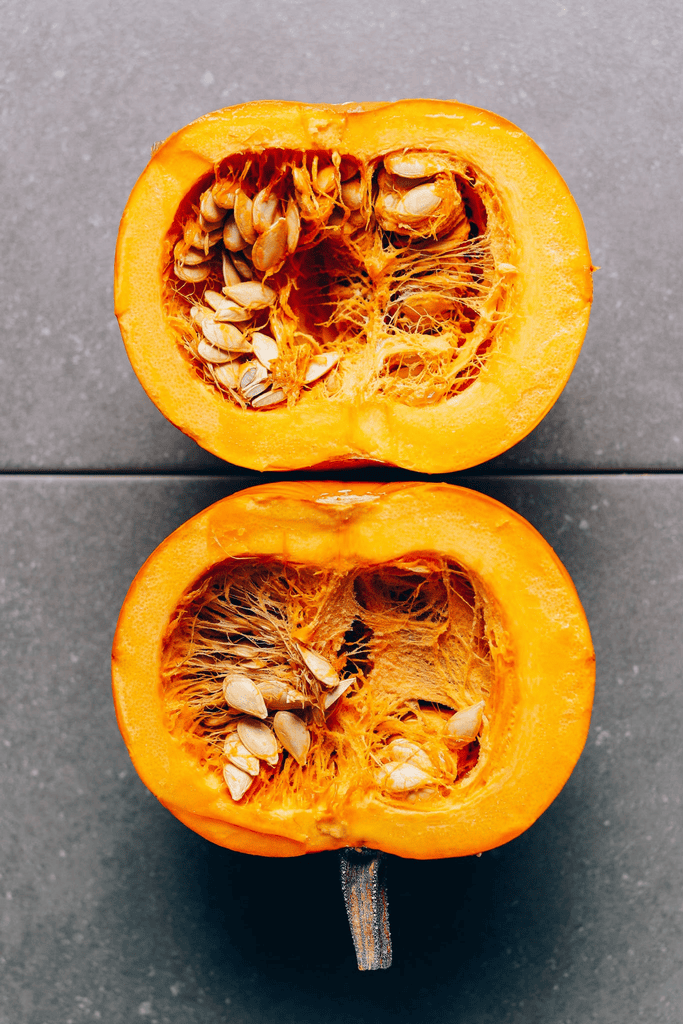
Pumpkin is one of those ingredients that can get a bit of a bad reputation.
It’s often associated with Halloween, overly sweet pumpkin spice drinks and enormous decorative vegetables that spend more time sitting outside someone’s front door than anywhere near a kitchen.
Which is a shame, because a good pumpkin is a fantastic ingredient. It has sweetness, earthiness and a really lovely natural richness, but like many vegetables, I think the secret is in how you treat it. For me, that means roasting it properly.
At Red Hill Coffee on October 3rd, we’re serving a caramelised pumpkin soup with brown butter and truffle vinaigrette, finished with toasted pumpkin seeds for texture.
The pumpkin is roasted whole and slowly. I prefer doing it this way rather than cutting it into pieces first because you can allow the flesh to soften and concentrate without it drying out. Once it’s cooked, the flesh is scooped out and then caramelised a little further in the pan. That second stage is important.
Roasting gives you sweetness and depth, but putting the flesh back into the pan allows you to push those flavours further. You get more colour, more caramelisation and a much deeper flavour than you would from simply boiling the pumpkin and blending it.
It’s one of those techniques that sounds slightly unnecessary until you taste the difference. The soup itself is relatively simple, because once you’ve got that flavour from the pumpkin, there isn’t much point covering it up.
The brown butter brings a nutty richness, while the truffle vinaigrette adds another layer of savouriness and a little acidity to stop everything becoming too rich and then there are the seeds. I think one of the easiest ways to improve a soup is simply to think about texture. A completely smooth soup can be lovely, but if everything on the plate is soft, creamy and warm, it can become a little one-dimensional.
The roasted pumpkin seeds give you that contrast. A little crunch against the smooth soup. It’s a good example of something I come back to quite often when I’m cooking: you don’t necessarily need more ingredients, you just need the right ingredients.
Pumpkin doesn’t need to be turned into something complicated. It just needs to be cooked properly and October is probably the best time of year to do it.
Red Cabbage
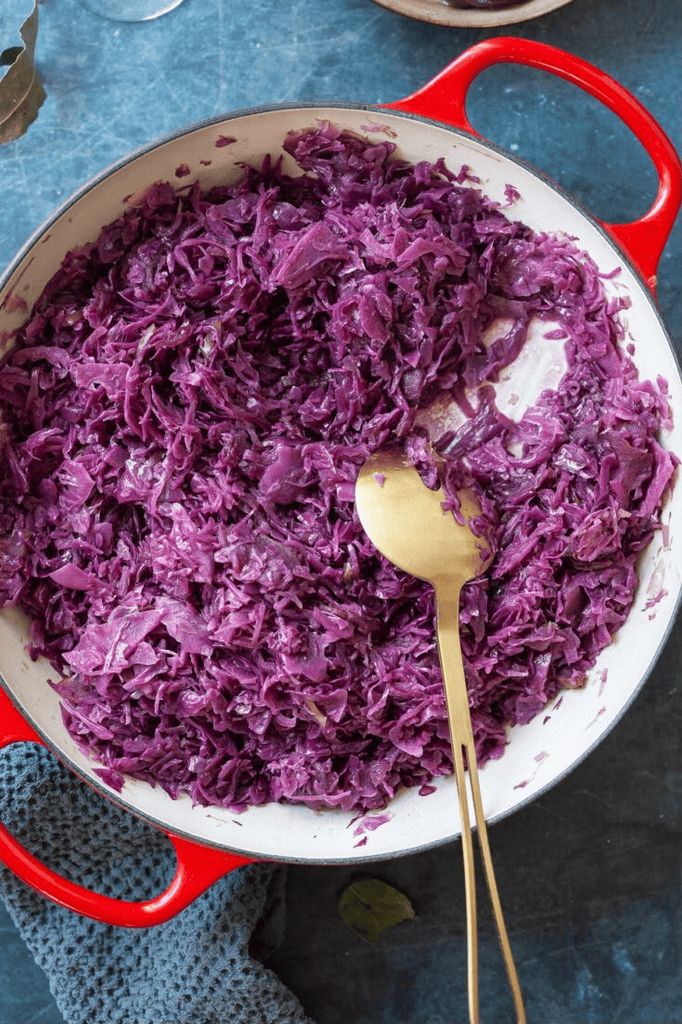
If there’s one vegetable I think deserves considerably more respect, it’s red cabbage.
It’s often treated as a side dish. Something that appears alongside a roast at Christmas, usually cooked until completely soft & mushy or not enough & slightly bitter, before being forgotten about for another eleven months. But red cabbage is capable of much more than that. It has an incredible combination of texture, colour and it takes particularly well to slow cooking.
At Heathcock Bakery & Deli on October 10th, we’re serving it alongside braised beef. The cabbage is shaved very finely and then cooked down slowly in wine with what can only really be described as Christmas spices. Cinnamon, warm spices, that kind of fragrant aromatic character.
It’s cooked for several hours until the cabbage is meltingly soft, taking on all of the flavour from the wine and spices as it cooks. The important thing is that it doesn’t just become sweet. The wine brings acidity, the cabbage brings its natural sweetness and the spices bring warmth and fragrance. As everything reduces together, you end up with these rich, sweet and sour juices that coat the cabbage and give it a really beautiful glaze.
And that makes it a particularly good partner for braised beef. Beef cooked slowly has enormous richness. It needs something alongside it that can cut through that richness rather than simply adding more of it. The red cabbage does exactly that. It’s soft and rich, but it also has acidity. It’s sweet, but not cloying. It’s fragrant without being overpowering.
I think that’s what makes it such an underrated vegetable. It can be the thing that brings an entire dish together.
There’s also something very satisfying about cooking vegetables this way.
We talk a lot about vegetables being at their best when they’re fresh, bright and barely cooked. And there’s certainly a place for that. But autumn gives us permission to do the opposite.
To cook something slowly.
To let it soften.
To allow it to absorb flavour over several hours.
To take an ingredient that might look fairly ordinary at the start and turn it into something that has enormous depth.
That’s what good autumn cooking is about for me. Not making vegetables exciting through endless additions, but understanding what they can become when you give them enough time.
Grapes
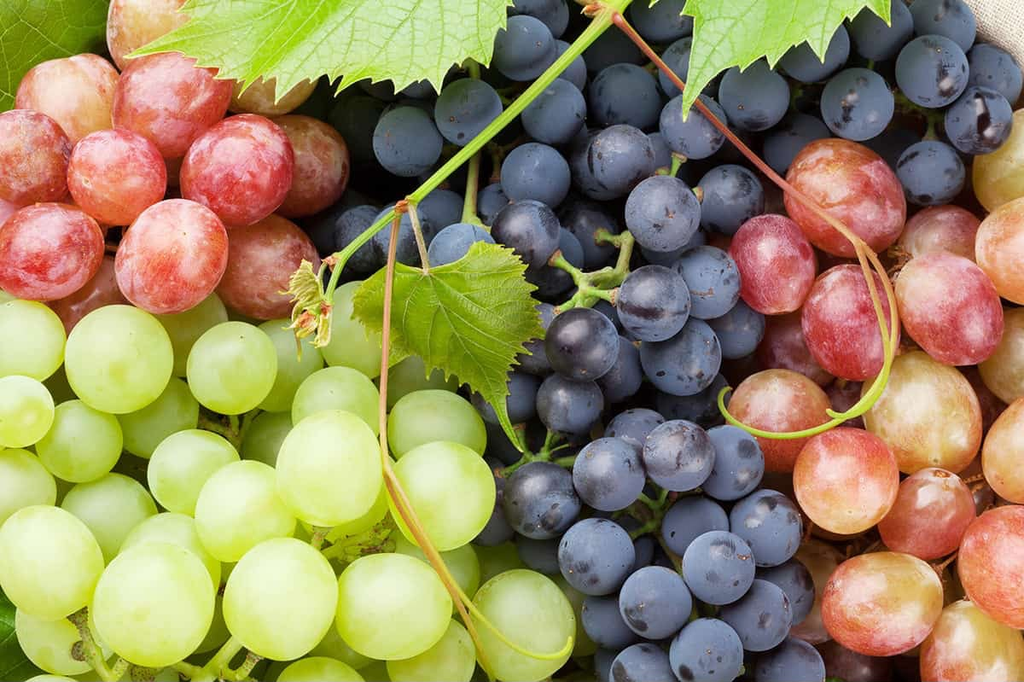
Grapes are perhaps the most unexpected ingredient of the three. They’re obviously associated with wine, but I think they’re also incredibly useful in cooking. They have sweetness, acidity, freshness and a really lovely texture when they’re used properly. And because of that combination, they can work particularly well with savoury food.
At the Cross Inn on October 28th, we’re serving lightly grilled trout with a classic Veronique sauce.
Veronique is a wonderfully old-fashioned French preparation, traditionally made with white wine, grapes and tarragon – and I love it.
There’s something really elegant about the combination. The trout is lightly grilled so you get that lovely contrast between the crisped exterior and soft flesh, and the sauce brings a completely different character to the dish.
White wine gives you acidity.
Tarragon gives you that distinctive aniseed fragrance.
And the grapes bring sweetness.
We’re finishing our version with a spoonful of white beans, which add a little body and creaminess to the sauce without making it heavy. It’s a combination I think works incredibly well.
Grapes are often thought of as something to eat alongside cheese or as part of a dessert, but their sweetness can be incredibly useful in savoury cooking. Especially when you pair them with something that has enough acidity or savouriness to balance them.
That’s something I think about a lot when I’m cooking. Sweetness isn’t necessarily the enemy of savoury food (and I’m not talking about some of those ghastly combinations you see in the food of our cousins across the Atlantic ocean).
It’s about balance. A little sweetness can make a sauce taste more rounded. It can soften acidity. It can make a salty or savoury ingredient feel more pronounced. The trick is knowing when to stop. That’s why I love the grapes with the trout. They don’t turn the dish sweet. They just give you these little bursts of sweetness amongst the acidity of the wine, the fragrance of the tarragon and the richness of the beans.
And suddenly a fairly simple piece of grilled fish feels much more interesting.
It’s also a nice reminder that seasonal cooking doesn’t always have to mean braising and roasting. October might be the month when we’re reaching for the heavier cooking methods more often, but there are still ingredients that can bring freshness to the plate. Grapes are one of them.
Cooking Into Autumn
I think October is probably the point where seasonal cooking starts to become instinctive. You don’t necessarily need to think about whether you’re cooking autumn food. You just start cooking differently.
The pumpkins get roasted.
The cabbage gets braised.
The sauces get richer.
The wine comes out.
The cooking gets slower.
And the ingredients start asking for slightly different things from us.
That’s one of the reasons I love cooking seasonally. It’s not about following a list of ingredients and deciding that you can only cook something during a particular month. It’s about paying attention.
Understanding what’s available, understanding what makes it good and then changing the way you cook accordingly.
Pumpkin shows how much flavour you can create from a vegetable with a little patience. Red cabbage shows what happens when you give an ingredient time to absorb flavour and develop its own character. Grapes show that autumn cooking doesn’t have to be entirely dark, heavy and slow. And all three demonstrate something I think is fundamental to the way we cook at Bohémien: Good ingredients don’t need much doing to them. They just need the right treatment.
October is when I really start to enjoy that. The lighter cooking of summer is behind us. The deep winter ingredients haven’t arrived yet. We’re somewhere in between. But rather than seeing that as a limitation, I think it’s one of the most exciting points in the year to be in the kitchen.
There’s still freshness.
There’s plenty of richness.
And there are an awful lot of things worth putting in a pot.
Happy cooking,
Tom
Chef & Owner, Bohémien

